Springs · Whitchurch-Stouffville
Garage Door Track Repair or Replacement in Whitchurch-Stouffville
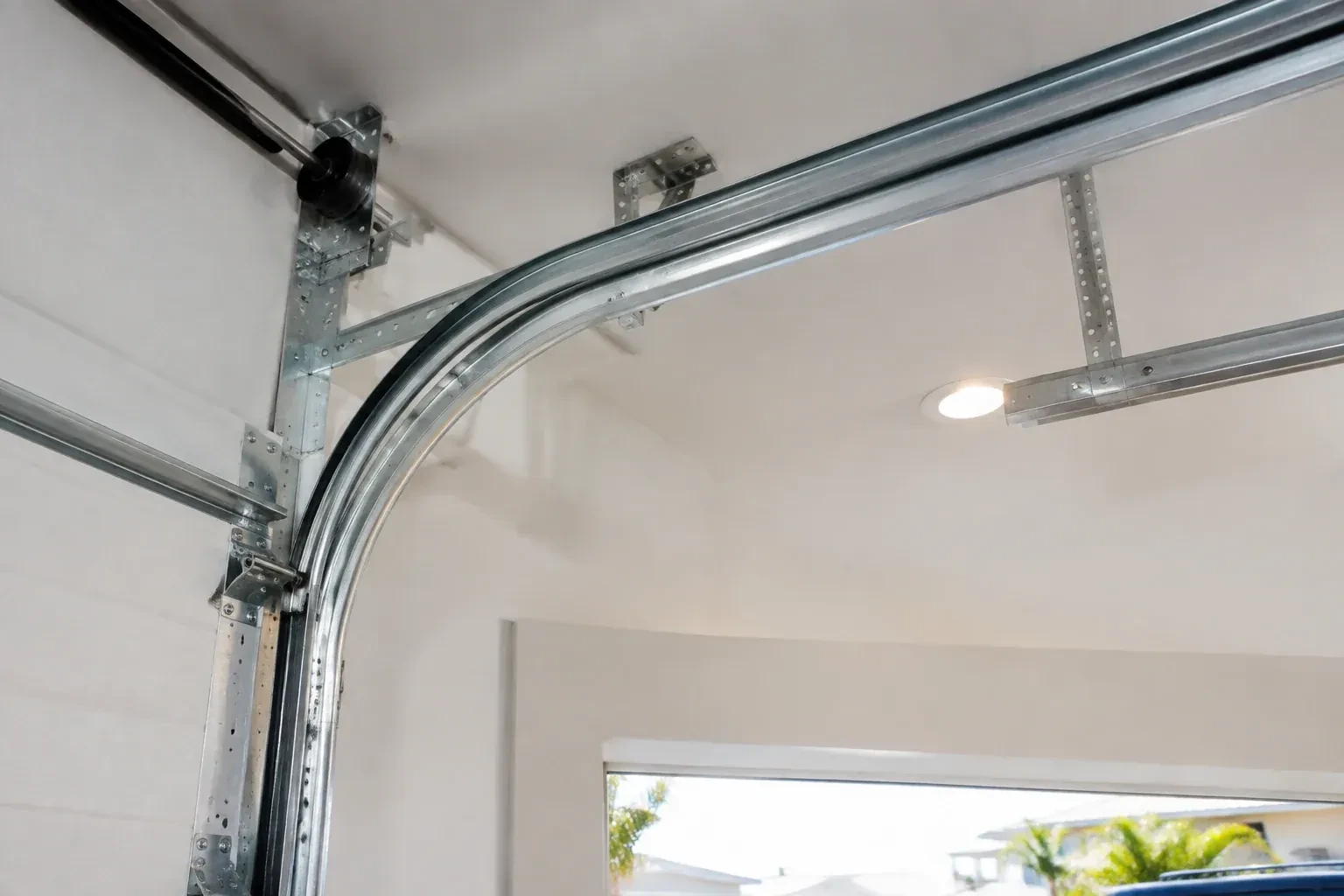
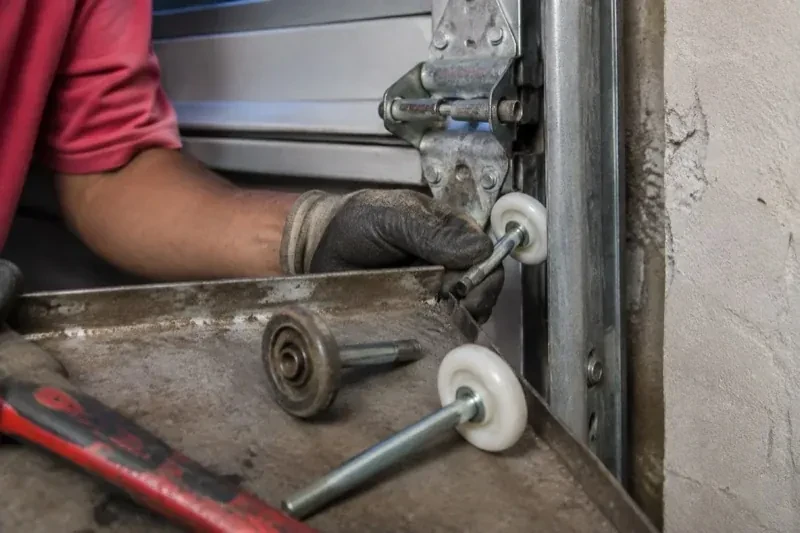
Halfway up, the door lurches and one roller rides onto the lip of the channel.
In plain words
What you get back is a door that runs its full height without a catch, hesitation or bang, with every roller seated in its channel and both sides rising together. The track sits plumb and firm on the jambs, the horizontal runs hold level from solid hangers, and the door seals along the stop when closed. Because the track was set to the door and the springs re-tensioned to it, the door balances by hand and the opener works lightly. You also leave with a note of the track profile, radius and lift type, which makes any later part a simple match.
How the visit goesAfter a decade of slushy winters the bottom foot of the track is flaking rust. A roller squeals as it passes, and the channel edge has gone rough and thin where the salt collects.
Garage Door Track Repair or Replacement
How the visit goes
Plumb, spacing and taper of each vertical run
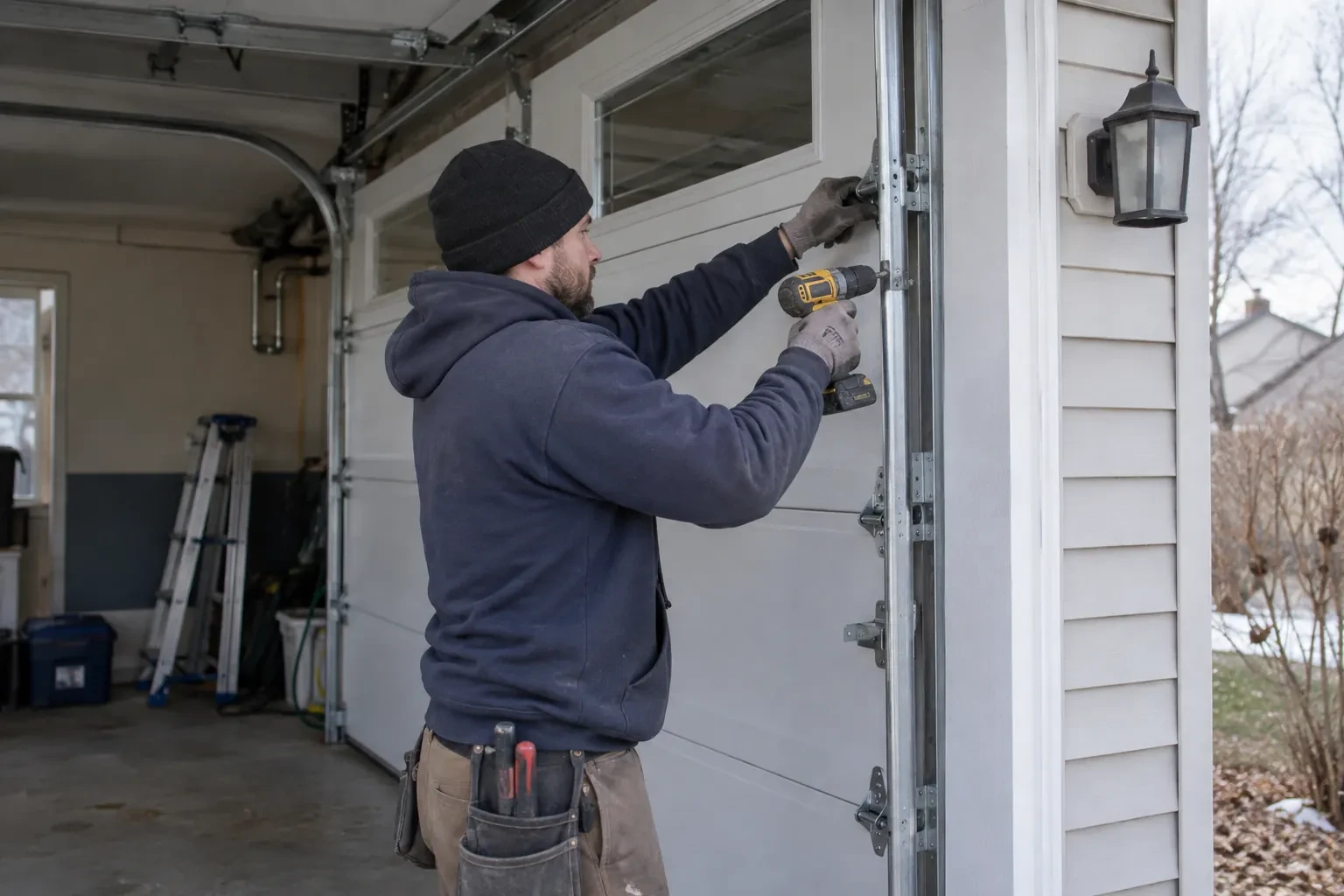
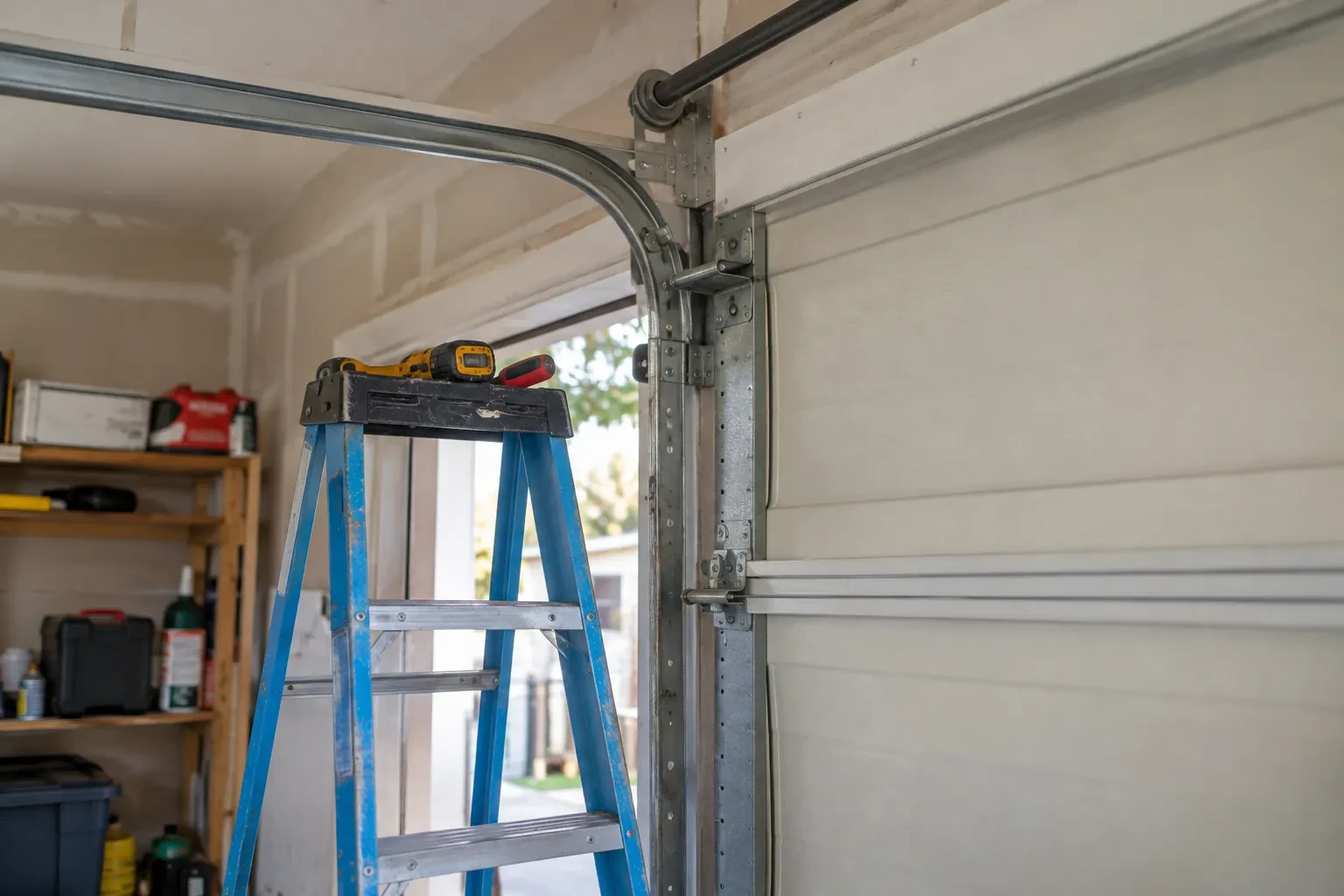
A level goes on each vertical track, and a tape measures the gap between the track and the edge of the door at the top and the bottom. The run should be plumb, and the two sides should sit the same distance from the door so both columns of rollers carry evenly. There is also a deliberate detail: the top of the vertical track stands a little further from the jamb than the bottom, so the closed door presses into its stop moulding for a seal and swings clear the moment it starts to rise. A track pushed flat to the jamb makes the door drag; one standing too far out lets it rattle.
Tension back, balance and opener tests
Once the track is fixed and every roller is seated, the springs are wound back to the turns the door calls for and the clamps come off. The technician lifts the door by hand through its full travel, watching each roller through the curve and along the horizontal run for any catch, and checks that the door holds itself at roughly waist height. It is run up and down several times by hand before the opener is reconnected, and the opener's travel limits and force settings are then adjusted to the newly aligned door, with the reversing test done against a block on the floor. You watch the finished door make the trip before the tools are packed.
Keep the track clean, lubricate the rest
Follow your door's own manual on the track: many makers want it kept dry and clean, since grease there collects grit and sawdust and lets a roller skid rather than turn, which is exactly how tracks get worn and spread, while others call for a lubricant at the bend specifically. Wipe the inside of each channel with a rag a couple of times a year, and clear any leaves or cobwebs from the horizontal runs. The moving parts get their own lubricant too, the roller bearings, hinge pins and springs, in the type and points the manual specifies. That division of labour keeps the newly set track smooth for a long time.
Garage Door Track Repair or Replacement
In the van
Top fixtures
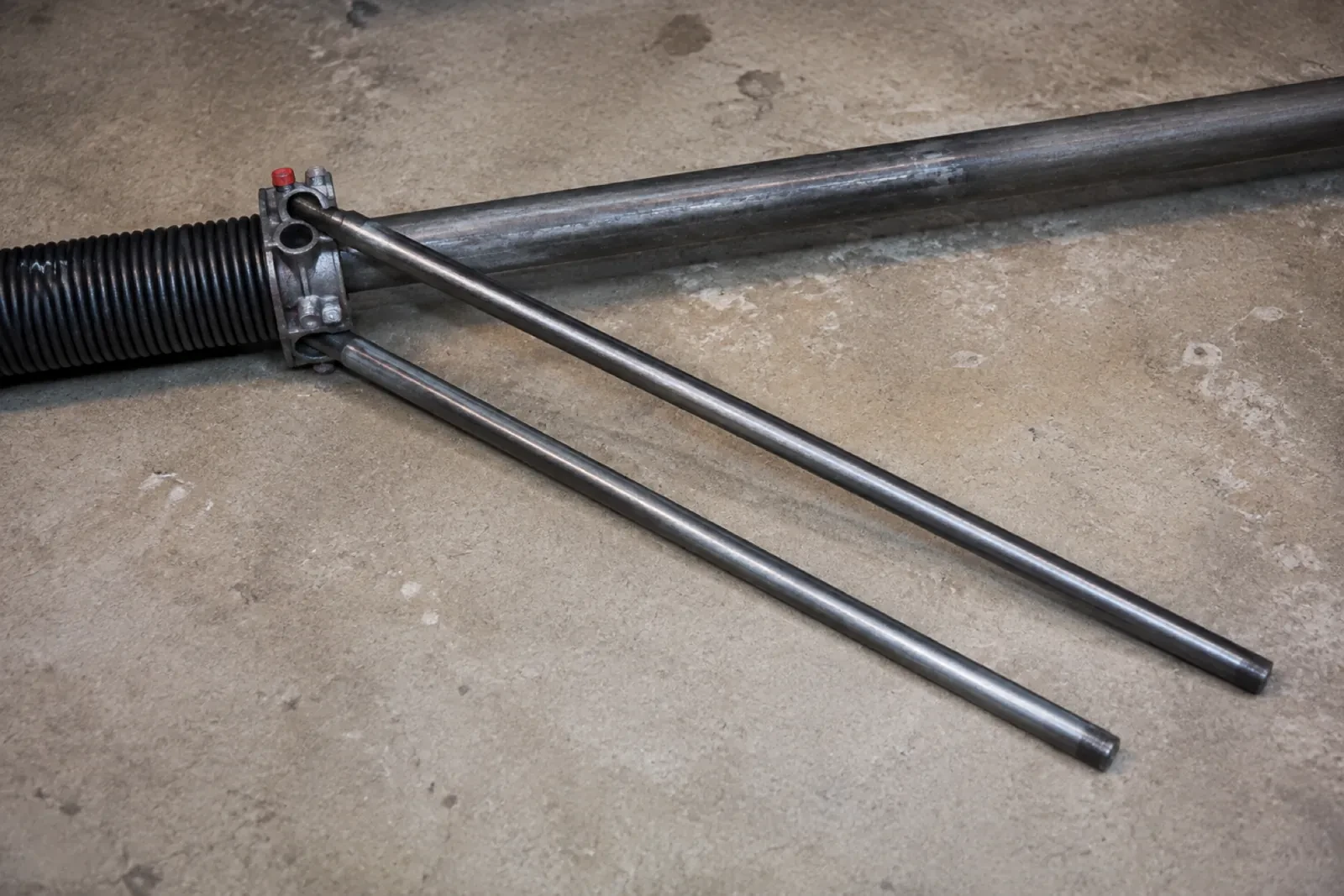
Track pliers and dead-blow hammer
Lag screws and track bolts
Jamb brackets or continuous angle
Vertical track, two-inch or three-inch
Garage Door Track Repair or Replacement
What affects the quote
Straighten or replace, piece by piece
A dent dressed in place is labour only, while a kinked, cracked or rusted length means a new piece of track. The quote lists which pieces get which treatment.
Low-headroom or high-lift hardware
Changing the layout, rather than repairing the existing one, brings new horizontal track, curve pieces, top fixtures and often drums and spring adjustment, and is quoted as a separate scope.
Door size and weight
A tall or double door has longer runs of track and heavier loads on the brackets, and a heavy insulated or wood door may call for heavier-gauge track and more substantial hangers.
What to have ready
- Does the door rub the frame or catch at the same spot every time?
- Is there one spring above the opening, or springs along the tracks?
- Is there rust on the track or brackets near the floor?
Garage Door Track Repair or Replacement: questions
QuestionsWhat happens during the visit?
The opener is disconnected and the door clamped. The technician identifies the track type and layout, checks each vertical run for plumb, spacing and fixing, looks at the jamb wood, the curve, the flag brackets, the horizontal runs and their hangers, and how each roller sits. Damaged pieces are dressed or replaced, brackets refixed into sound wood, the geometry reset, rollers reseated, springs re-tensioned if they were unloaded, and the door balanced and the opener tested.
My door rubs the frame on one side. Is that a track problem?
Often, yes. The vertical track is meant to stand a fraction further from the jamb at the top than the bottom, so the closed door seals on its stop and swings clear as it rises. If a bracket has loosened or the track was set flat to the wood, the door drags along the stop moulding every trip. Resetting the spacing and taper, and tightening the brackets into sound wood, usually ends the rub.
How do I keep road salt from rusting the track?
Salt does its work in the bottom foot of each vertical track, where slush drips off the car and sits. Push slush clear of the door's inside edge rather than letting it pool, and on a mild day wipe or rinse the brackets and the lower channel. A little silicone spray on the bracket fasteners in autumn helps them shed water. Keeping the threshold free of ice also stops the door being pulled against a stuck bottom section.
Related services
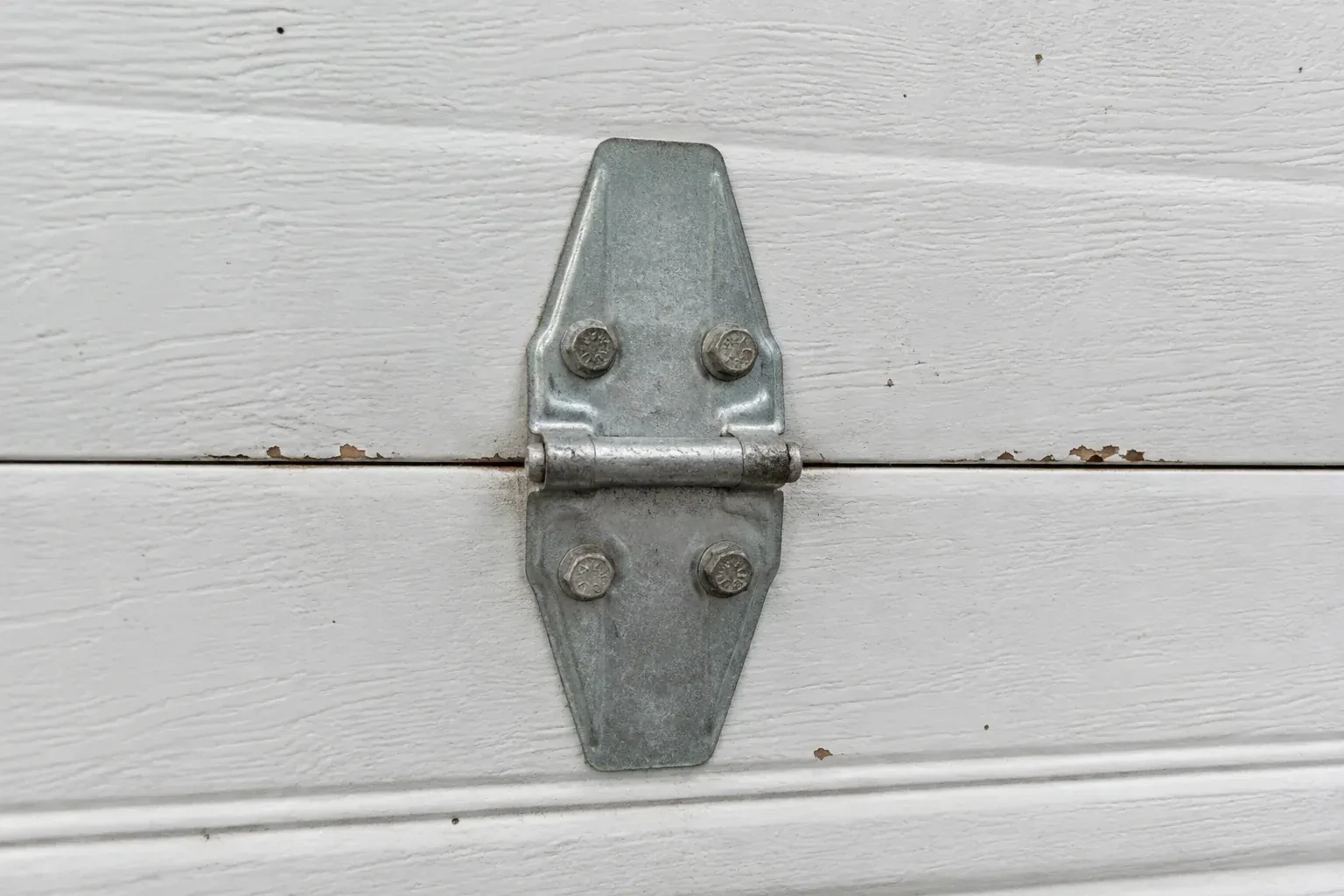
- Garage Door Hinge ReplacementWatching from inside as the door opens, you can see the gap between the second and third panels open up on one side as they turn the corner into the ceiling, then close again.
- Garage Door Cable ReplacementAfter years of slushy winters the cables look thinner near the bottom brackets, with rust streaks running down the door where they attach.
- Torsion Spring ReplacementLooking up at the coil above the door, you can see a clean split with a gap of several centimetres between the two halves.