Openers · Ringwood
Garage Door Opener Diagnosis and Repair in Ringwood
For a few days there was a grinding sound whenever the door started moving.
In plain words
Diagnosis answers a question you cannot settle from the driveway: repair or replace? Age matters, because boards and gear kits for a twenty-five-year-old unit may no longer be made. Safety matters, because a unit with no photo eyes is one the industry recommends replacing rather than patching. The nature of the fault matters too: a capacitor or a gear kit is a routine repair, while a burnt-out motor in an old chain-drive head is usually the signal to move on. You leave with the finding, the reasoning and the choice in your hands, not a replacement sold before anyone looked.
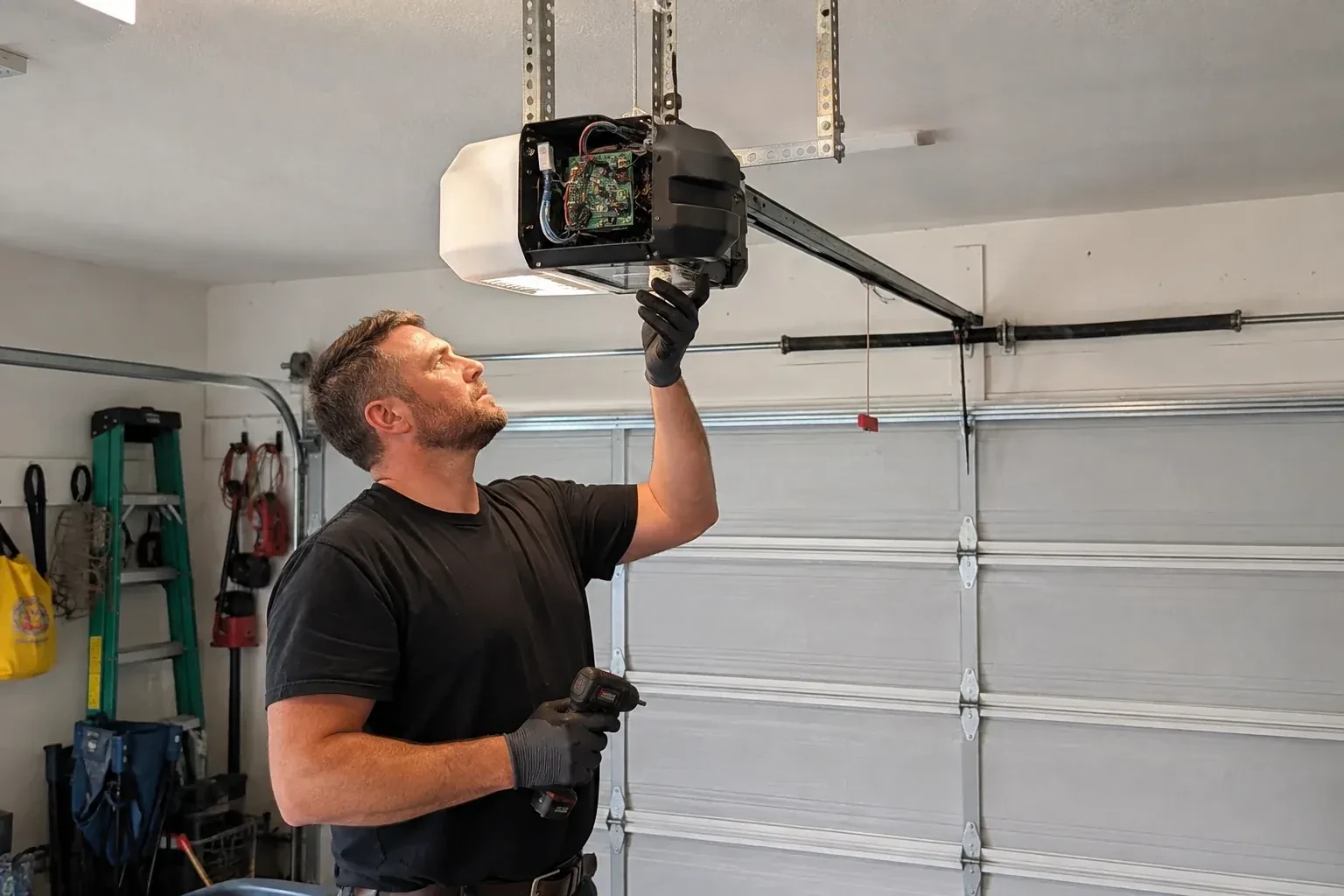
How the visit goesThe door goes up perfectly. Coming down is the trouble: partway to the floor it stops, climbs back to the top, and the light on the opener blinks at you. The only way to close it is to stand inside holding the wall button the whole way down.
Garage Door Opener Diagnosis and Repair
How the visit goes
One control at a time
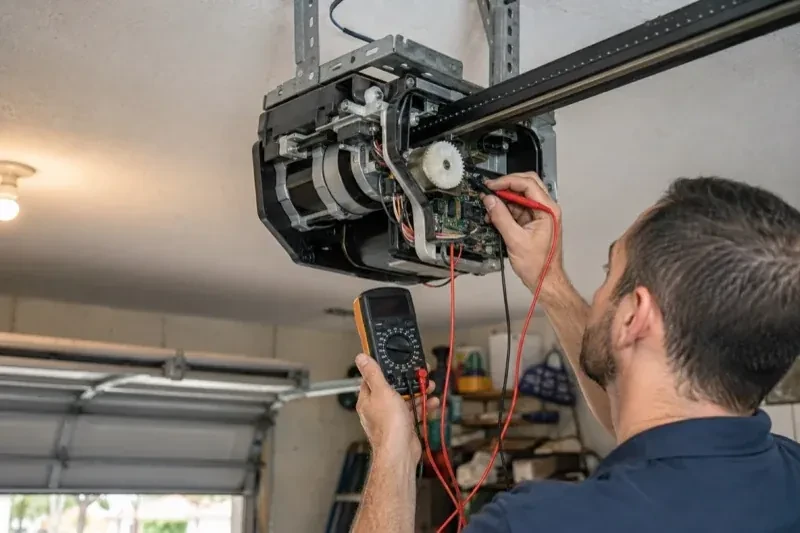
Each way of telling the door to move is tried on its own: the wall control, every remote, the outside keypad and, if fitted, the phone app. The pattern of what works tells a story. If the wall button works and nothing wireless does, the receiver, the remote batteries or a lock setting is suspect. If a remote works only up close, range and interference are the topic. If nothing at all works but the unit's light responds, the fault is downstream of the controls. The technician also checks the wall control's own indicator, which on most models blinks continuously when lock mode has been switched on by accident.
When replacement is the honest answer
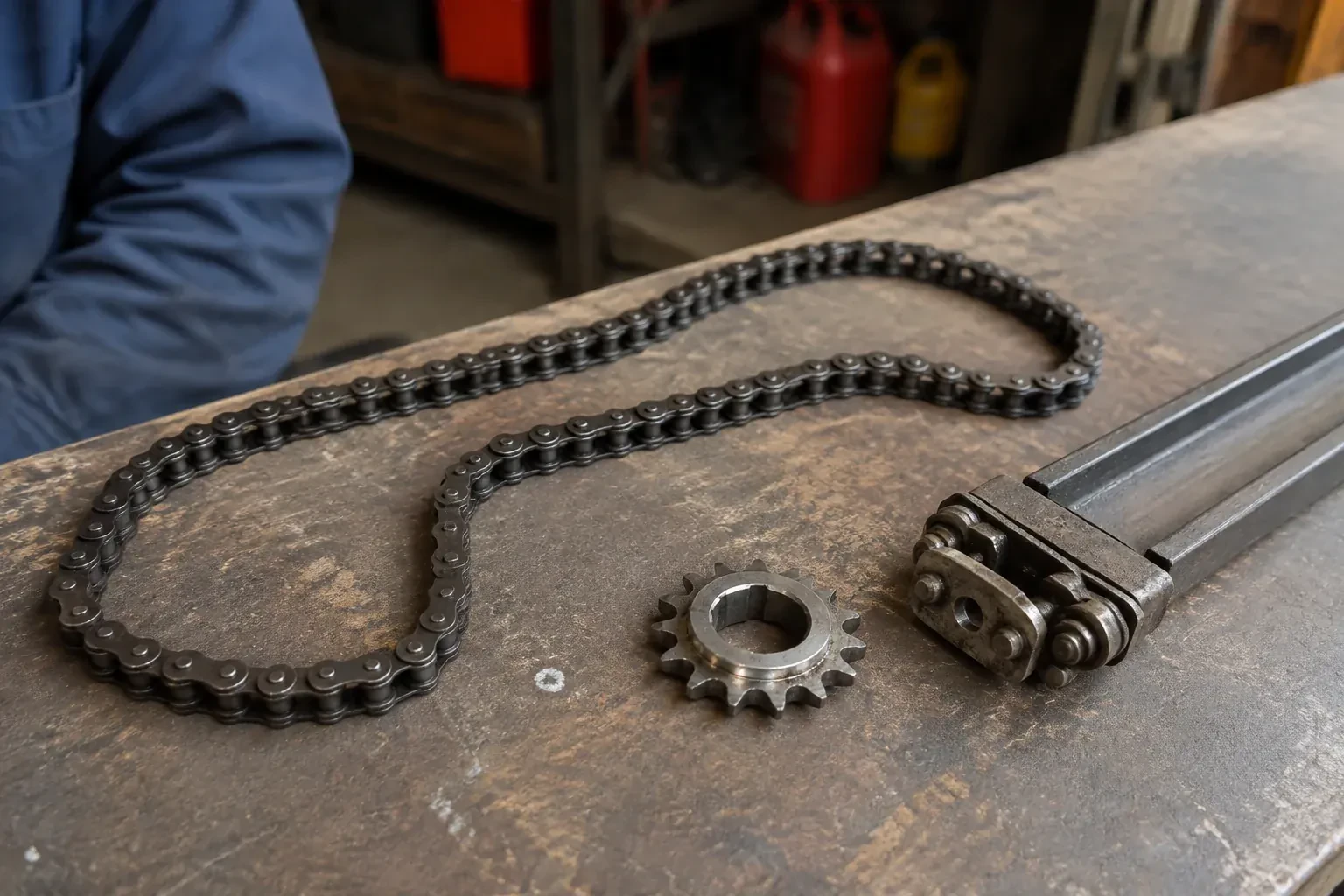
Sometimes the diagnosis points past repair. A head unit from before photo eyes were standard, a board no longer manufactured, a motor burnt out in a housing whose gear train is also worn, or a chain-drive unit that has already had two gear kits are all cases where replacing the opener serves you better than another patch. The technician sets out what was found, why repair is a poor fit, and what a modern unit offers: a belt or direct drive for quiet, battery backup for outages, and the safety features the standard requires. The choice remains yours, and the door is left safe in the meantime.
A record you can keep
You receive a plain account of the visit: the model and serial of the opener, what the symptom turned out to be, which parts were replaced, what the travel and force settings are now, and anything noticed for the future, such as rollers approaching the end of their life or a spring nearing its cycle count. Keep this with the house papers. It makes a later service call shorter, it tells a buyer the door has been looked after, and it gives you the model number ready when a remote needs replacing or a code needs looking up.
Garage Door Opener Diagnosis and Repair
In the van
Remote batteries (coin and cylinder cells)
Bell wire and clips
Transformer and board fuse
Logic board or receiver
Wall control
Garage Door Opener Diagnosis and Repair
What affects the quote
Distance to your door
Travel is part of the visit. An address across town and a rural property at the end of a concession road involve different driving, and the quote reflects the trip.
Connected features
A unit with a network module, door-position sensor or hub may need its pairing restored or a module replaced, which is quoted as its own step alongside the mechanical repair.
Season and weather
A frozen seal, a stiff door and an unheated garage in the cold months add steps to a diagnosis, such as freeing the door and re-lubricating for low temperatures, and the quote allows for them.
What to have ready
- Can you see a gap in a spring above the door, or a loose cable?
- Is the garage connected to the house, or does it have a side door?
- What does the opener do when you press a button: hum, click, run or nothing?
Garage Door Opener Diagnosis and Repair: questions
QuestionsWhat is the balance test, and is it something I can do?
Yes, with care. Close the door, pull the red release handle, and lift the door by hand, keeping fingers away from the panel joints. It should rise easily and stay where you leave it around waist to shoulder height. A door that drops, shoots up, or feels heavy has a spring problem and should not be run with the opener until a technician has seen it. Reconnect by running the opener or lifting until the trolley clicks in.
Should I lubricate the chain, the rail or the track?
Rollers, hinges, bearings and springs benefit from a garage door lubricant once or twice a year. The chain, belt or screw-drive rail is a separate question, since each drive type calls for its own product and schedule from the opener's manual rather than one rule for every unit. The track itself should stay clean and dry, because lubricant there collects grit and makes rollers slide instead of turning. The technician can point out the spots on your door at the end of the visit.
Why does the door stop just above the floor and reverse?
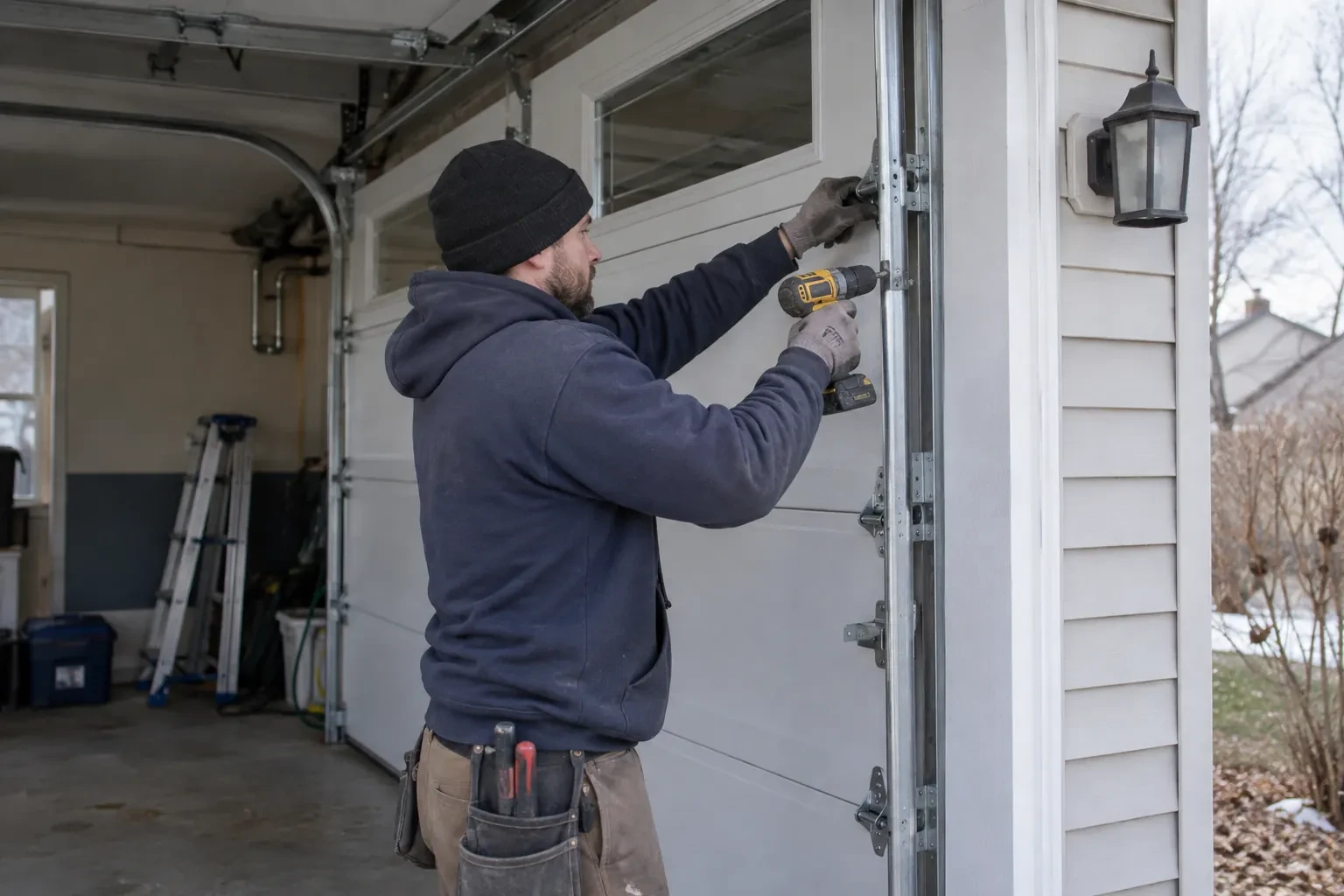
Two usual reasons. The travel limit is set a fraction too long, so the door reaches the slab, meets it harder than expected and interprets that as an obstruction. Or the bottom seal has stiffened or frozen and the last few centimetres take more force than the setting allows. Both are adjusted after the door is checked for balance, and the fix is confirmed by closing the door several times and running the contact reversal test.