Garage Doors in Stouffville, OntarioRepair or replace?An honest answer.
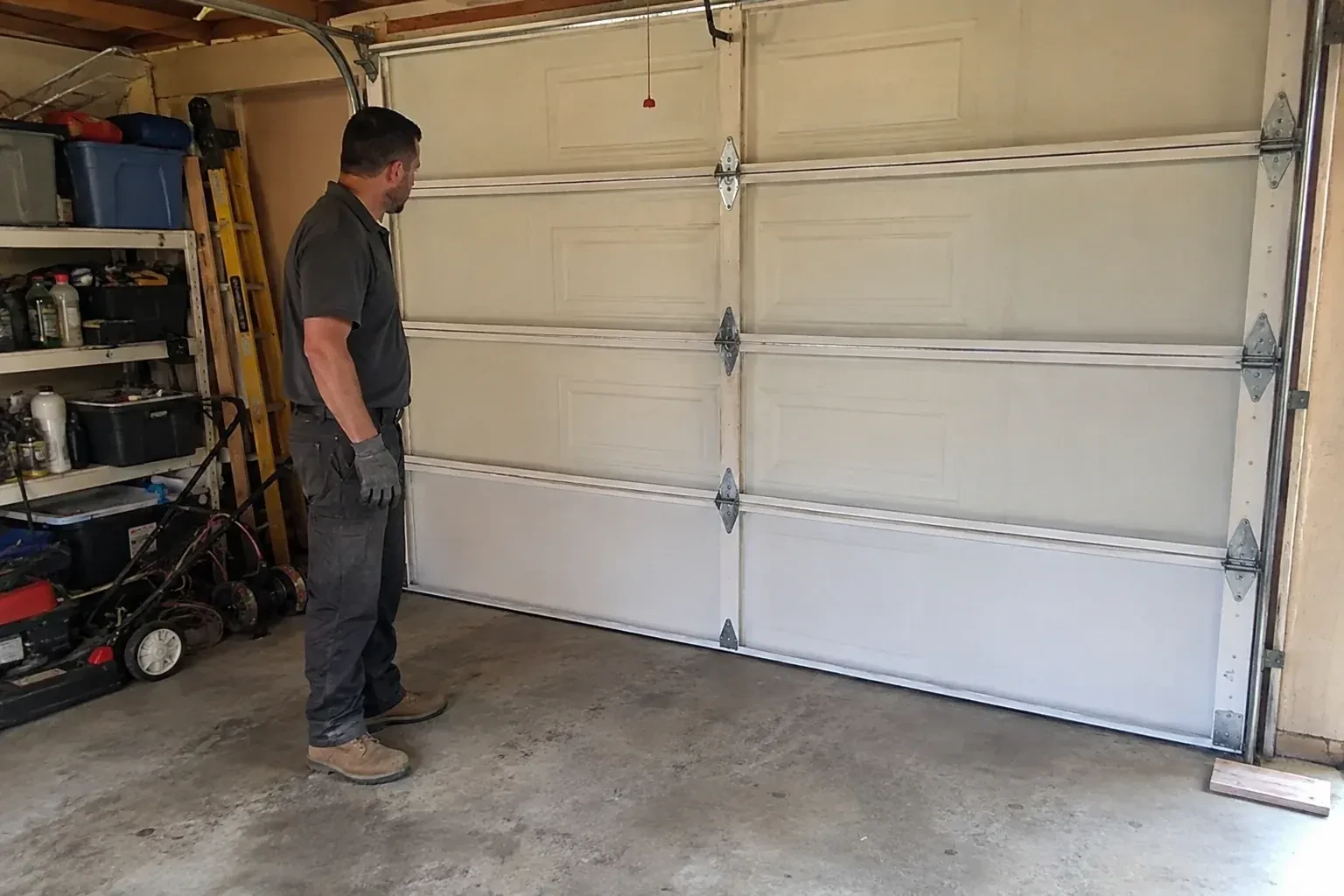
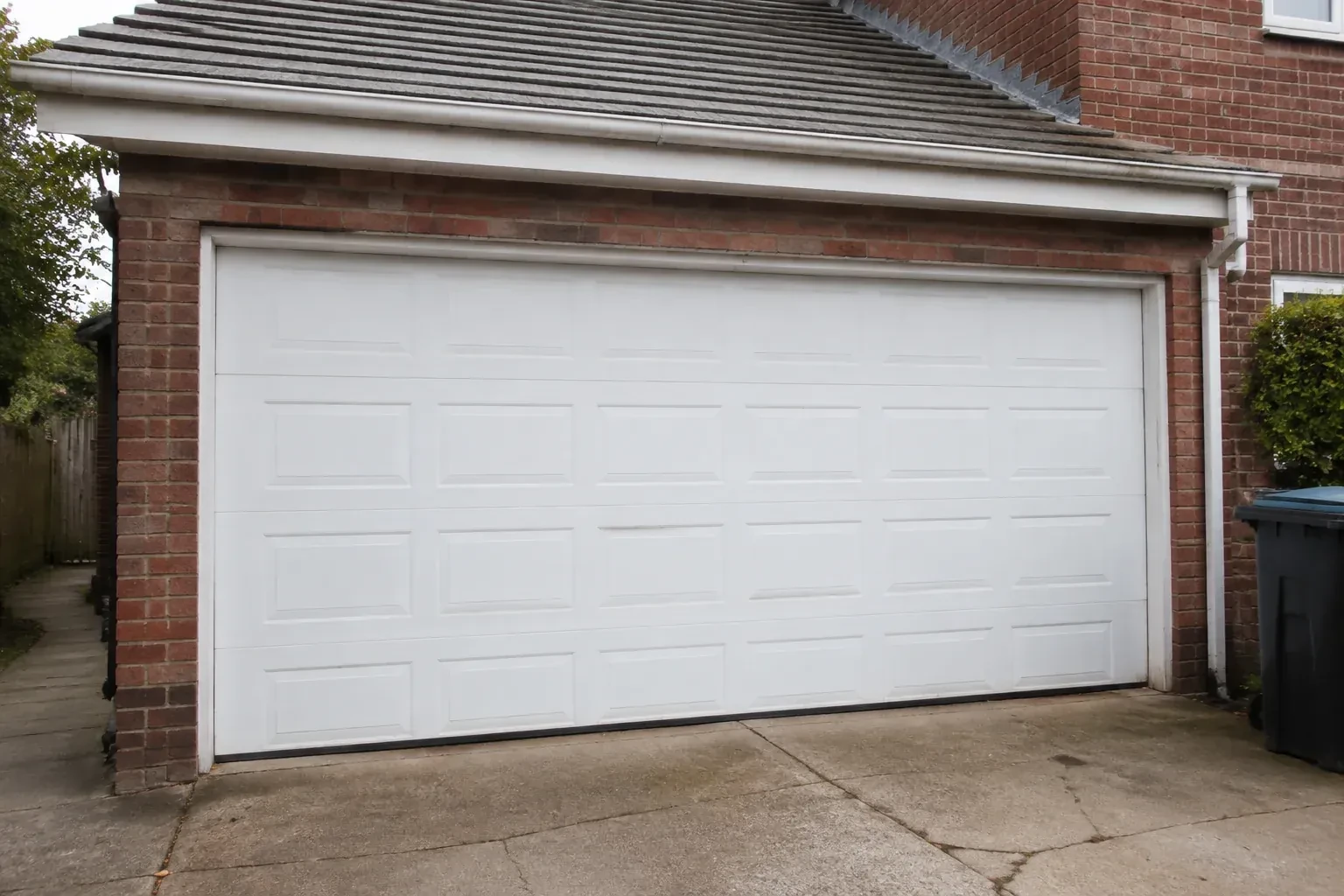
Homeowners in Stouffville often ask whether their door has years left or is close to done. We tell you plainly. A door with sound panels and a good frame deserves a repair; a rusted, twisted or badly patched one is money better spent on a new door, and we explain which is which. The same crew covers Bloomington and Lincolnville.
Homeowners in Stouffville often ask whether their door has years left or is close to done. We tell you plainly. A door with sound panels and a good frame deserves a repair; a rusted, twisted or badly patched one is money better spent on a new door, and we explain which is which. The same crew covers Bloomington and Lincolnville.
Plain answers about your garage door.
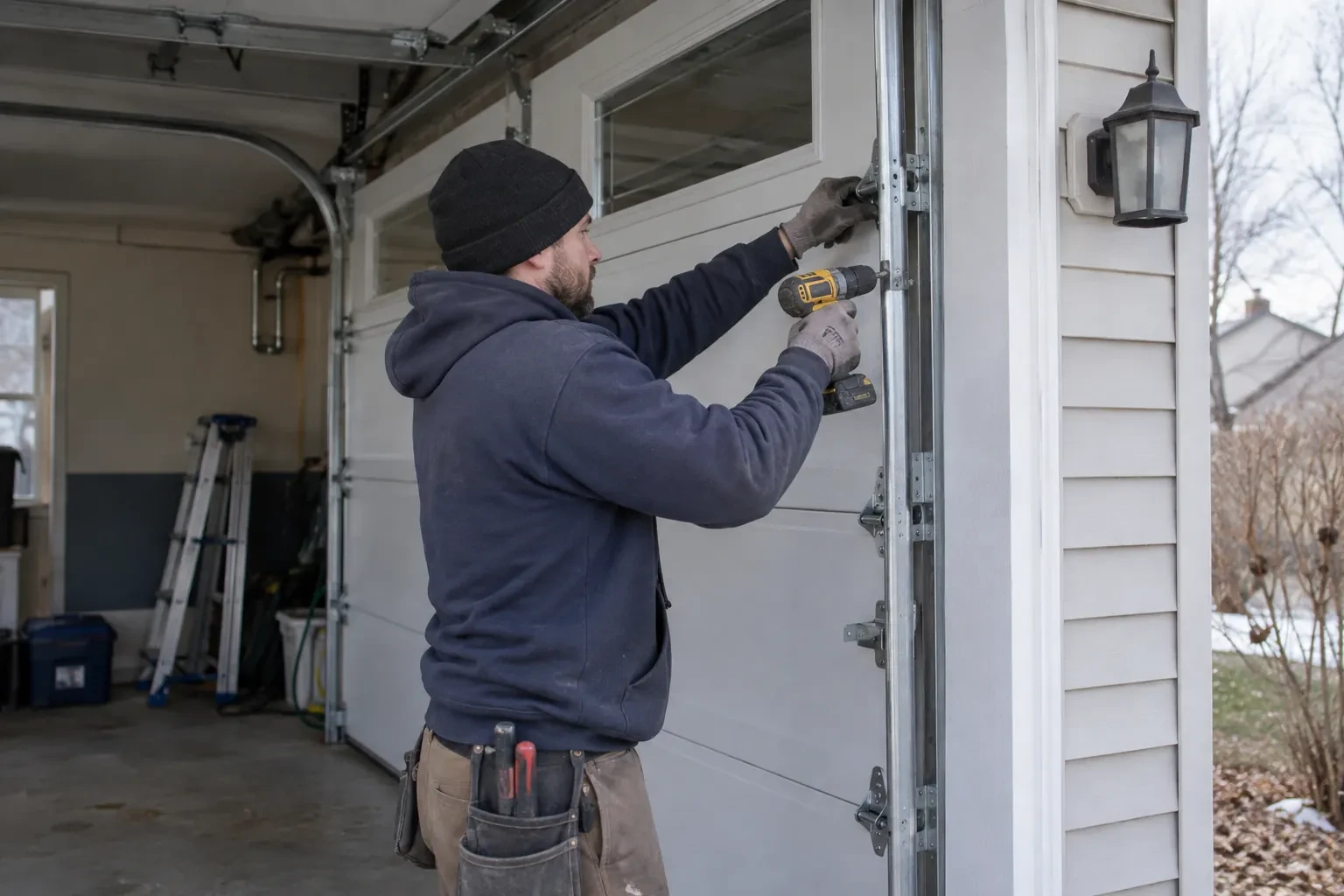
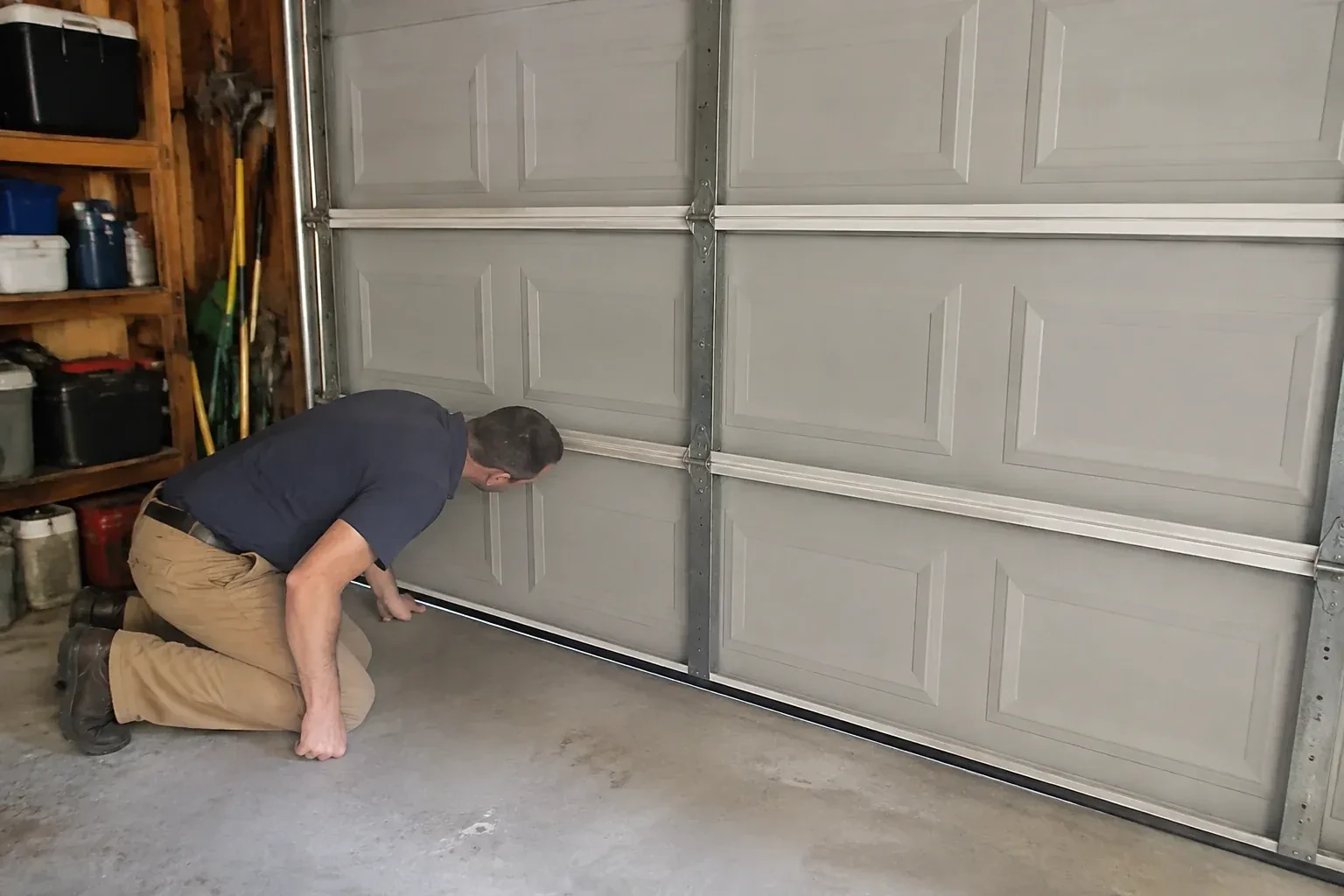
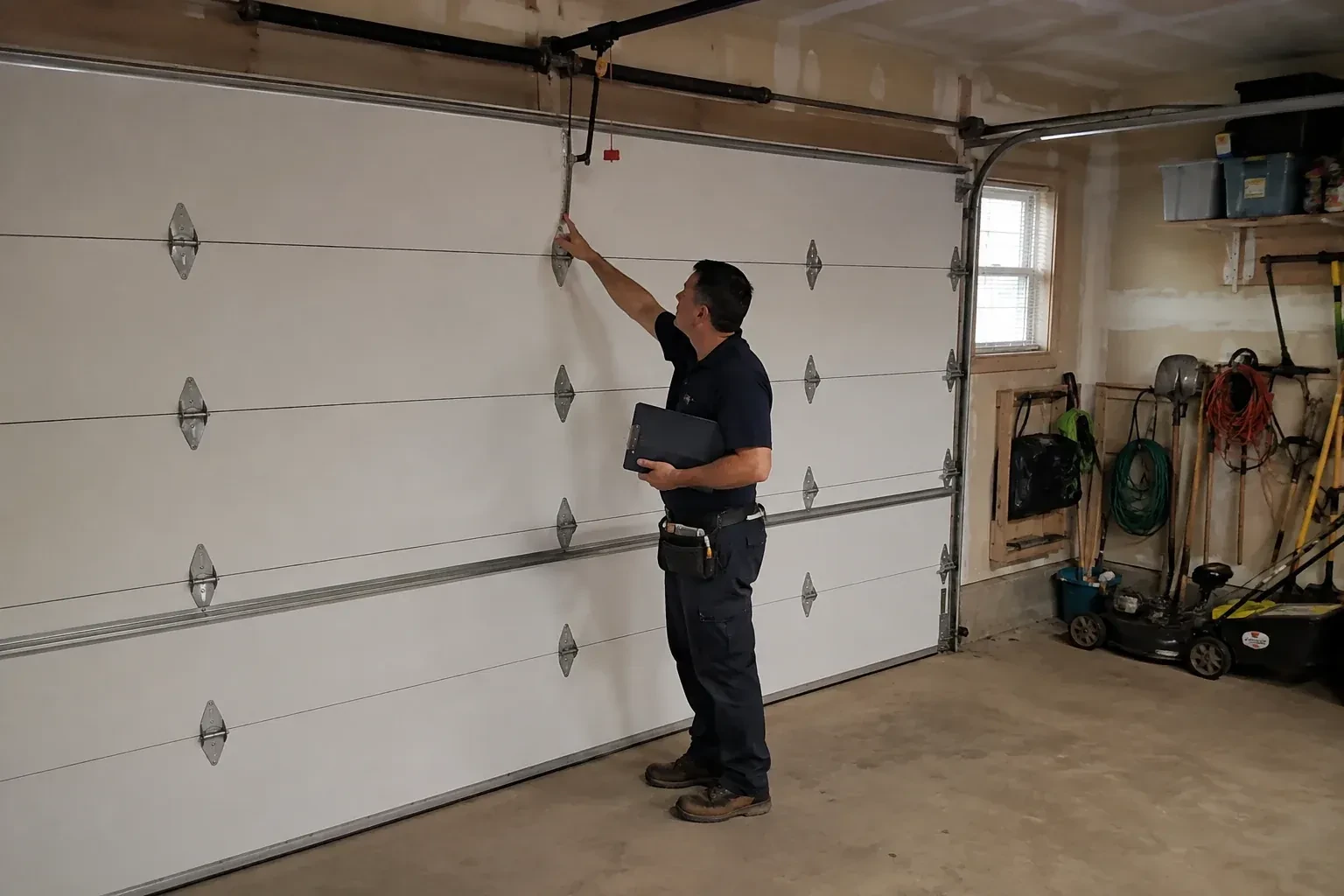
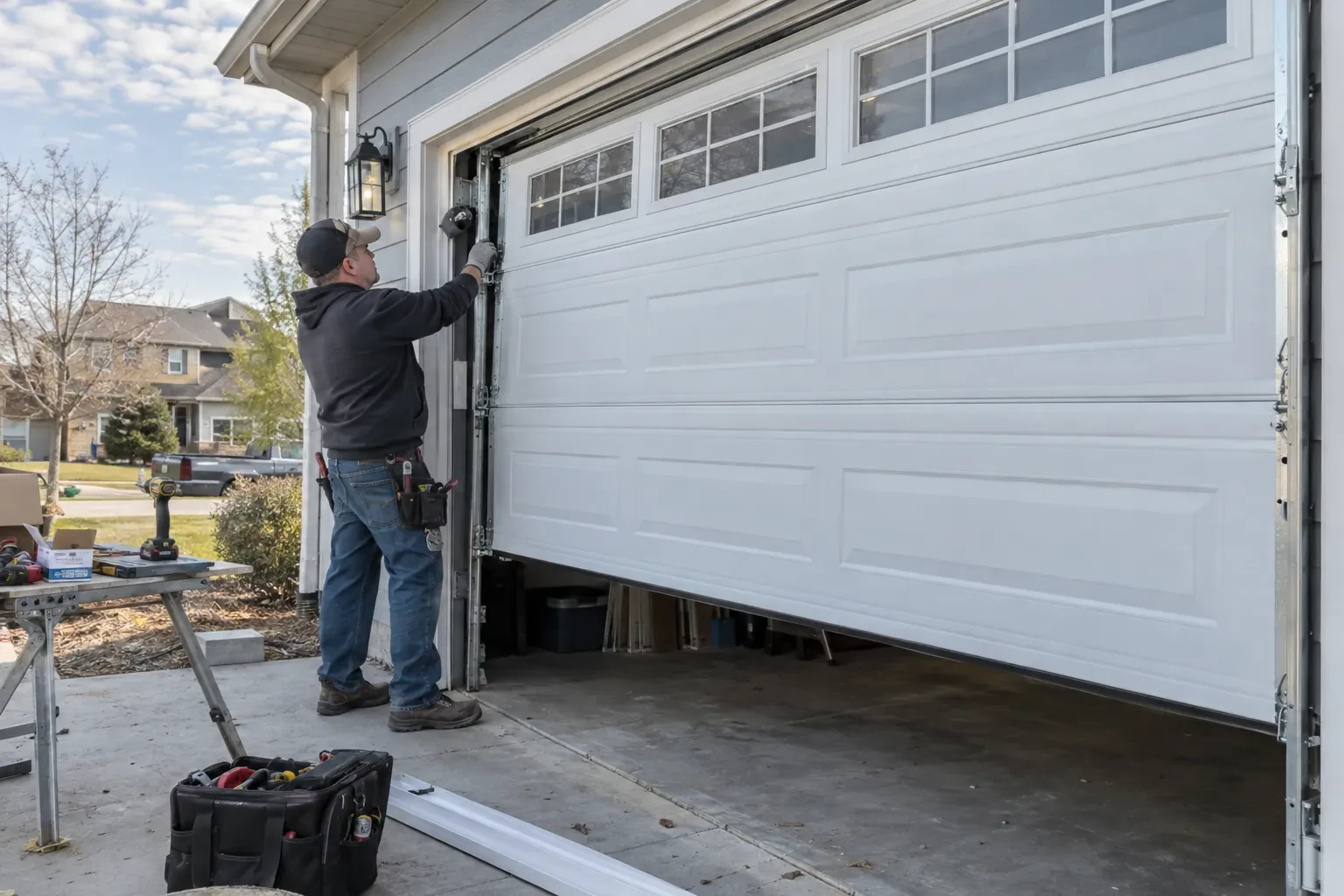
What people in Stouffville can expect from us: a technician who arrives when he said he would, looks at the door properly, explains the cause, gives a price on site before starting, does the work carefully with the door secured, tests it through full cycles, and leaves the garage as tidy as he found it.
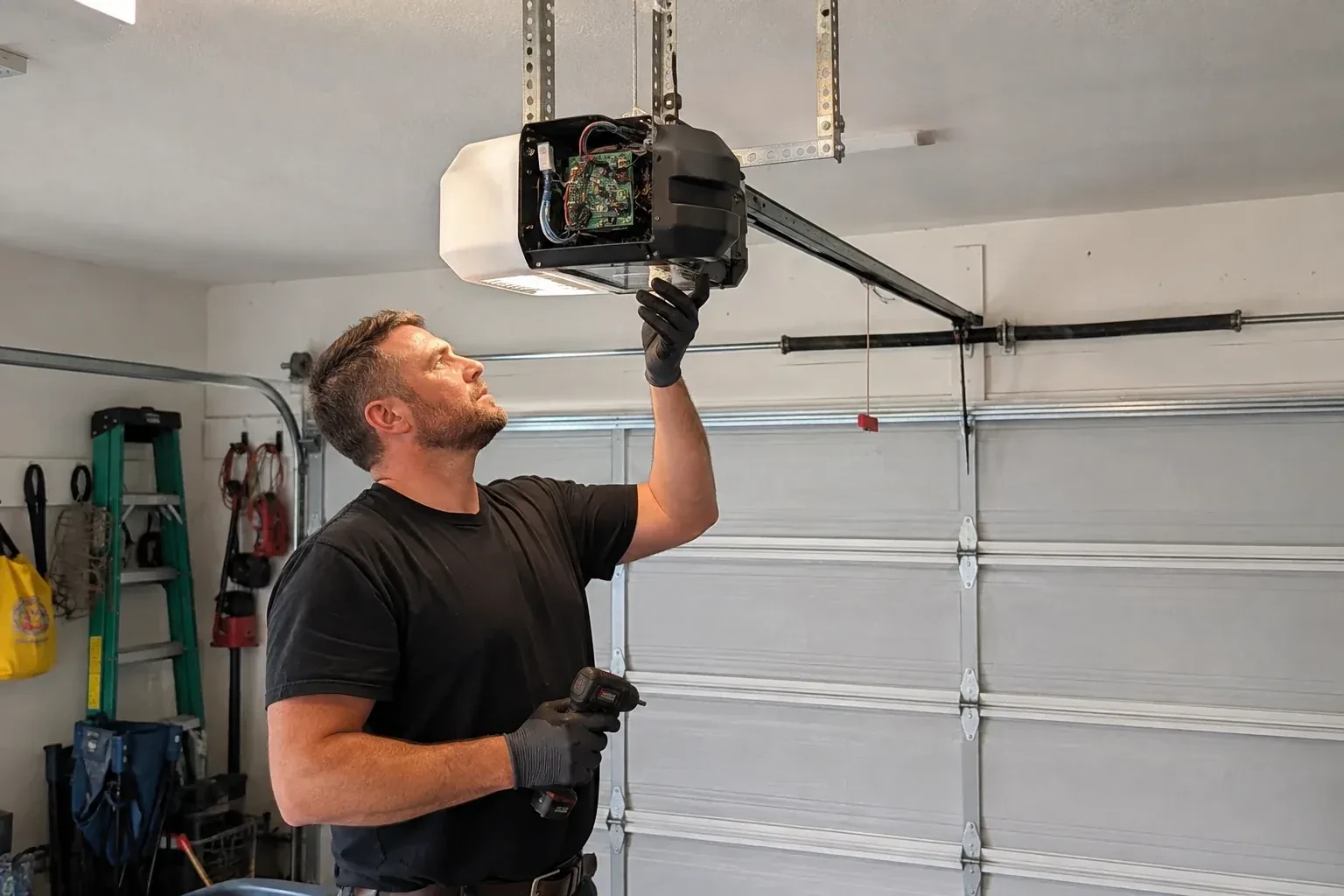
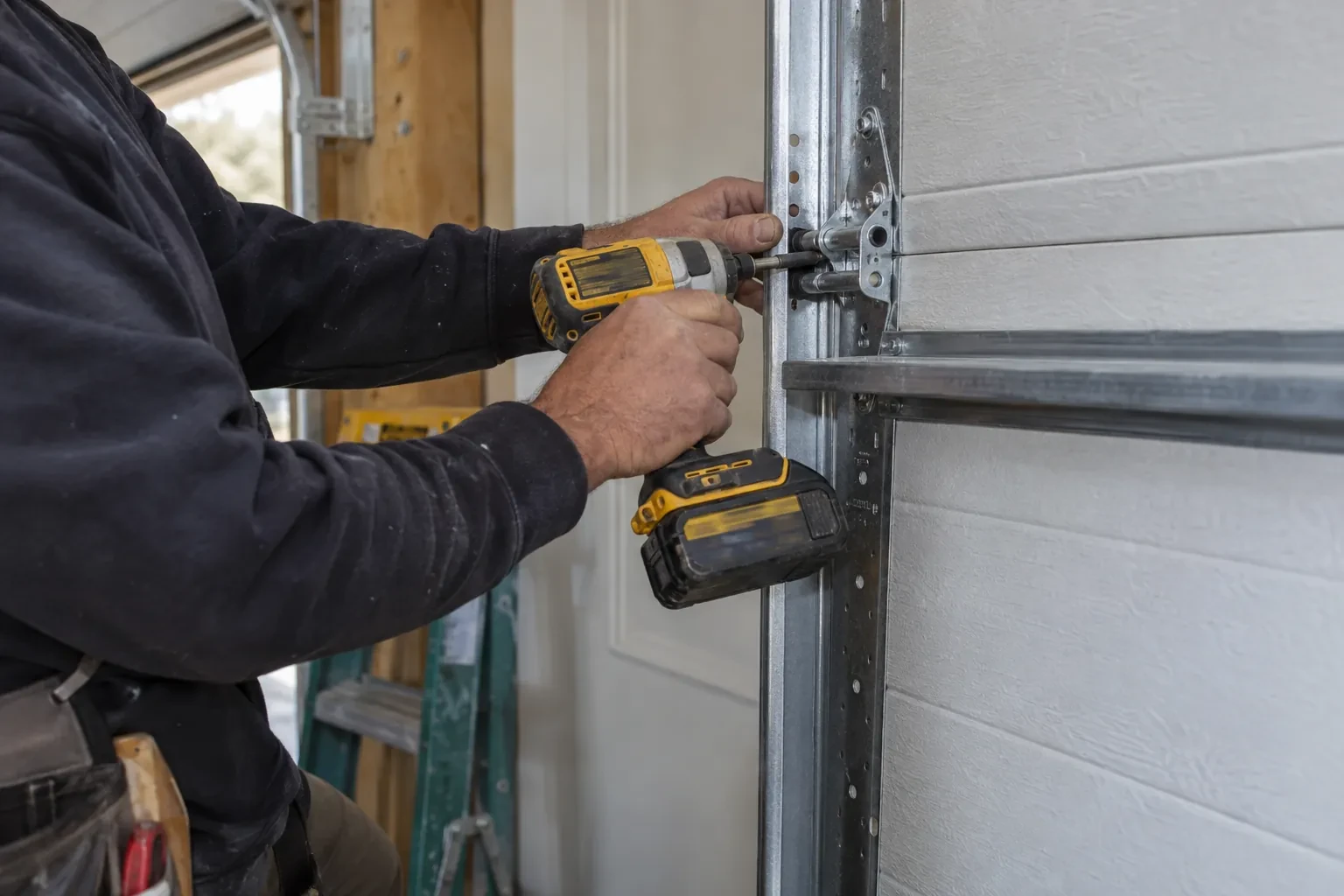
Our technicians know Stouffville well, from the older streets with their original wooden doors to the newer subdivisions with insulated steel sectionals. That range keeps us ready for whatever the day brings. We handle spring and cable replacement, opener repair and installation, panel and track work, weather sealing and complete new doors, and we explain the options before the work starts.
17years in business
24/7open every day
Talk before tools. The visit begins with a conversation about what you noticed and ends with one about what we did. The work sits in between.
Tidy job, tidy garage. Loose hardware collected, packaging taken away, tracks wiped. We judge our work partly by how the garage looks when we leave.
Options with honest trade-offs. A basic part, a heavier-duty one, or a new door: we describe how each will behave over time and let you weigh it.
Schedule a garage door visit for your Stouffville property.
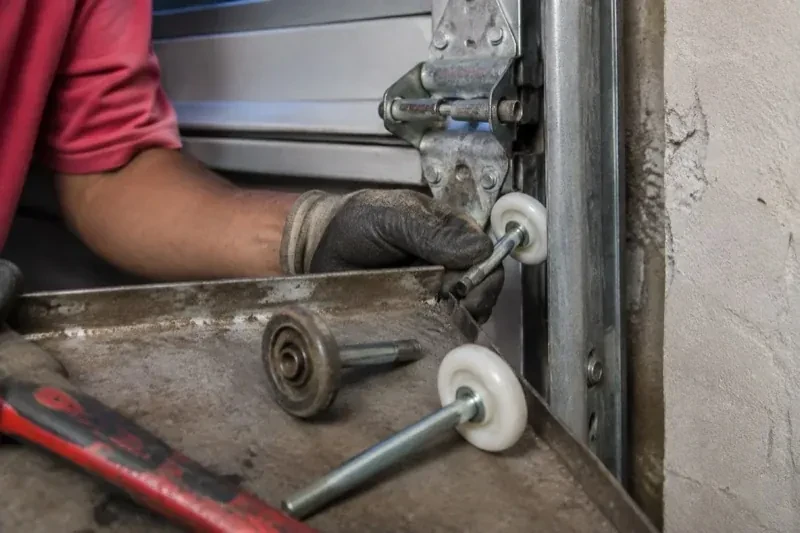
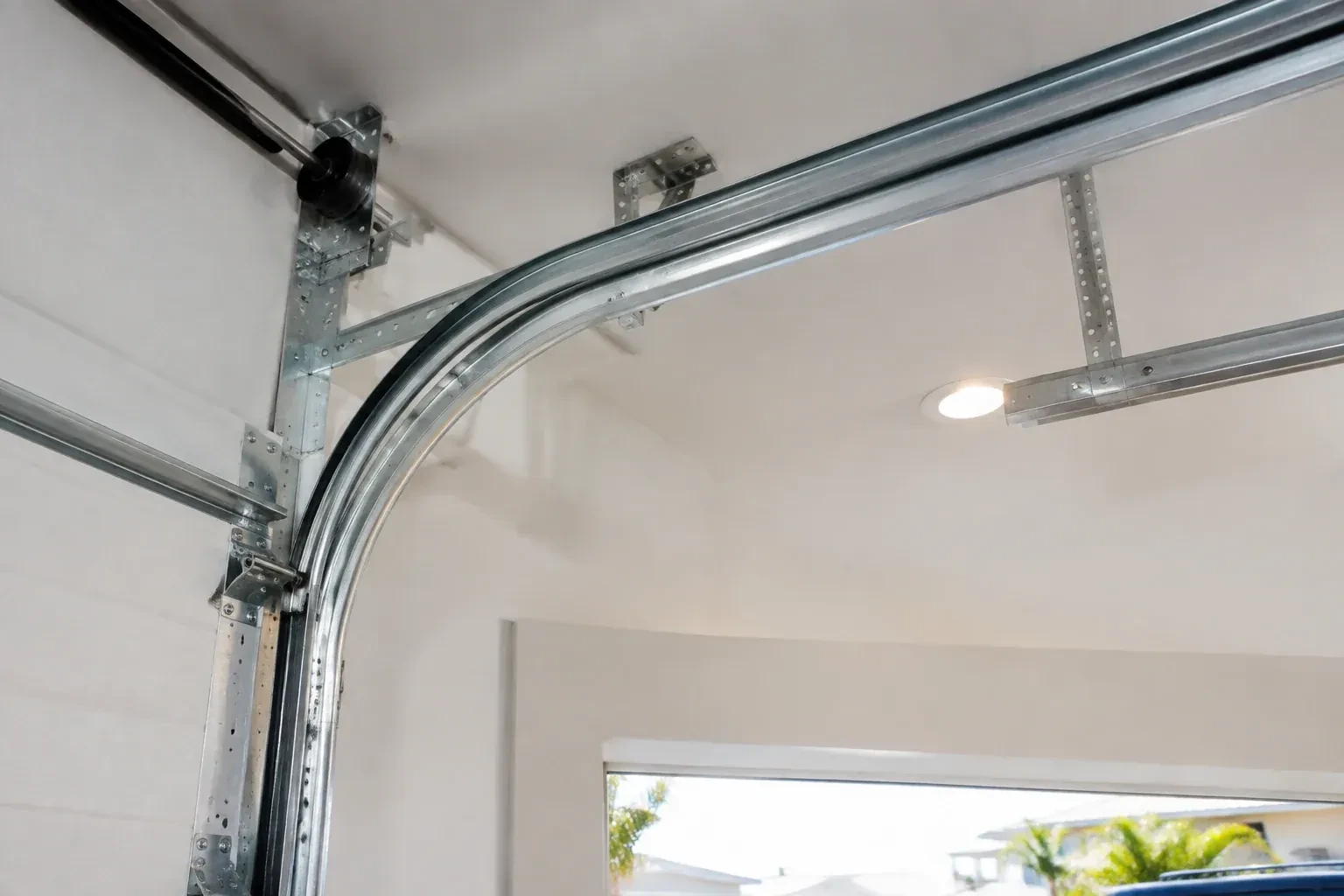
A door in Stouffville that is lifting unevenly, dropping too far, screeching on the rails or refusing the remote is telling you which part is tired. Our services are grouped around those parts, springs and cables, tracks and rollers, openers and controls, so the fix is easy to identify.
About 22% of homes in Whitchurch-Stouffville were built in 1980 or earlier, according to the 2021 Census.
Newer homes
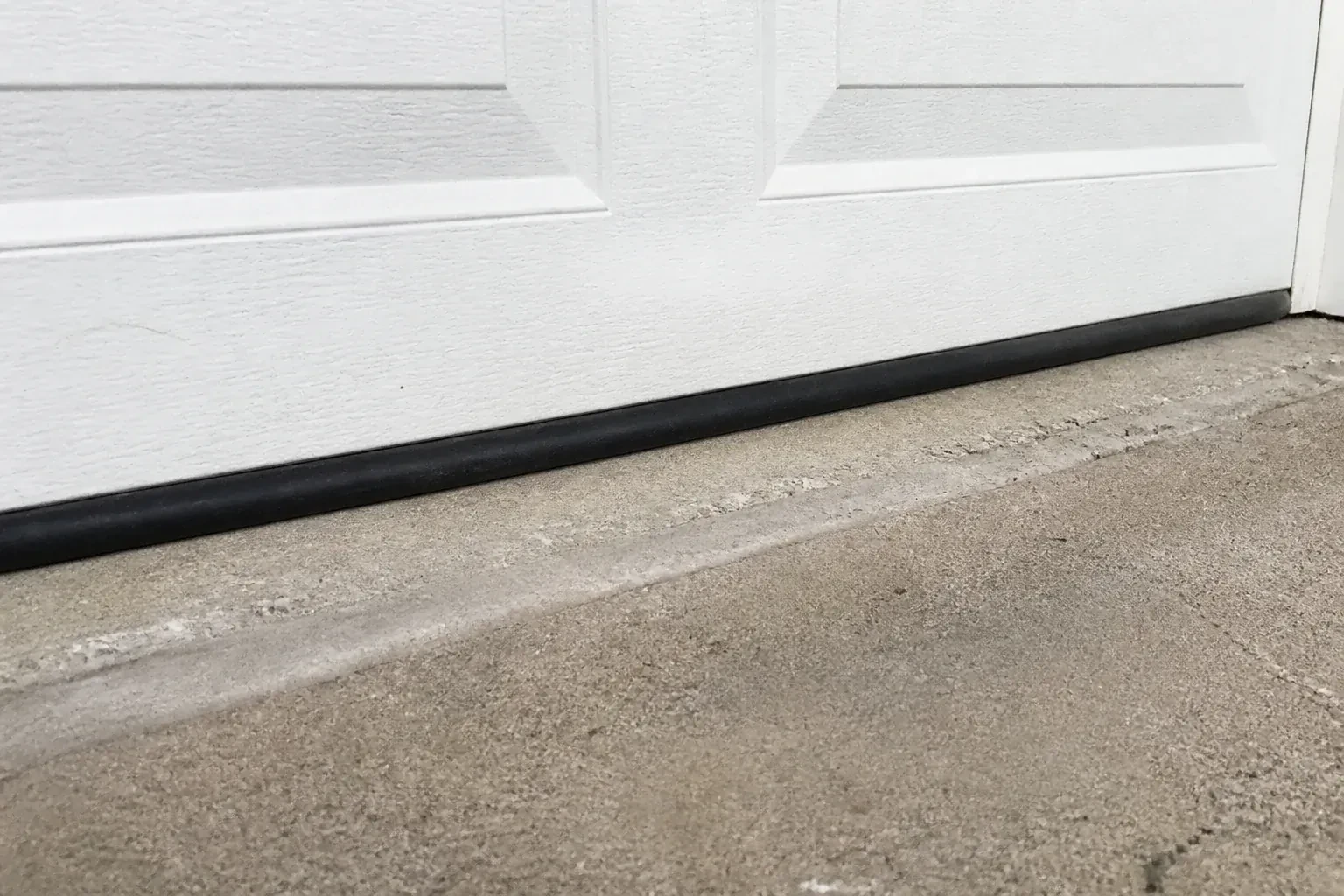
Where houses are newer, driveways slope up to the door and the apron is smooth, so the bottom seal usually meets the floor evenly. Seal work here is more about replacing a section cracked by winter salt than about closing a gap, and it is a small, worthwhile job.
Single-detached houses make up about 74% of homes in Whitchurch-Stouffville (2021 Census).
Mostly houses
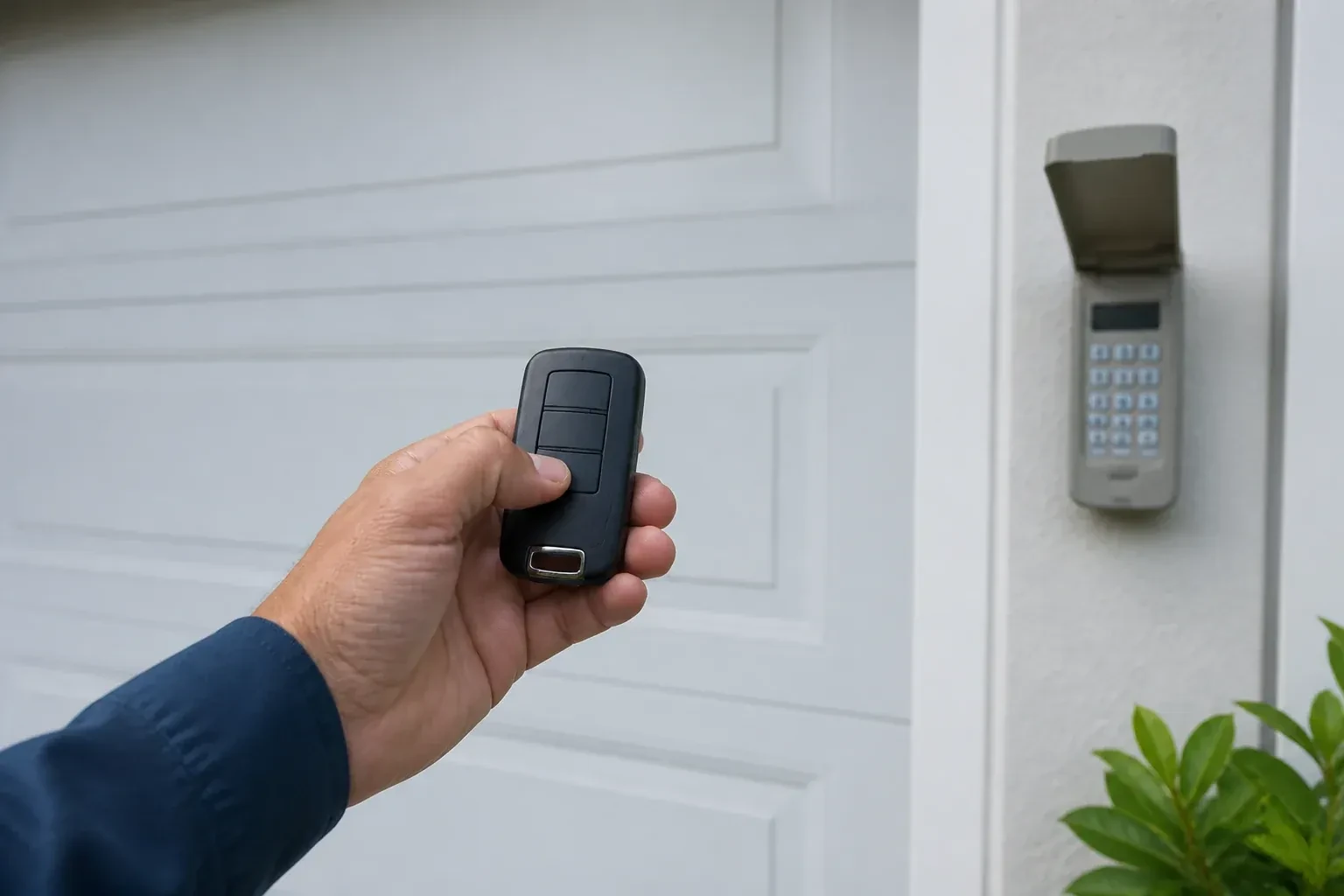
Households in detached homes often have several remotes, a keypad and a phone app between family members and their cars. We keep all of them programmed to the opener, replace the ones that have failed, and explain how to add a new one when a car changes hands.
There is a new sound. Last week the door simply hummed up and down; now there is a bang at the top of travel and a scrape on the way back, and you have started standing well back while it moves.
The vinyl strip around the door used to be soft and white. Now it is grey and hard, cracked every few inches, and a piece near the corner snaps off in your fingers. It no longer bends toward the door at all.
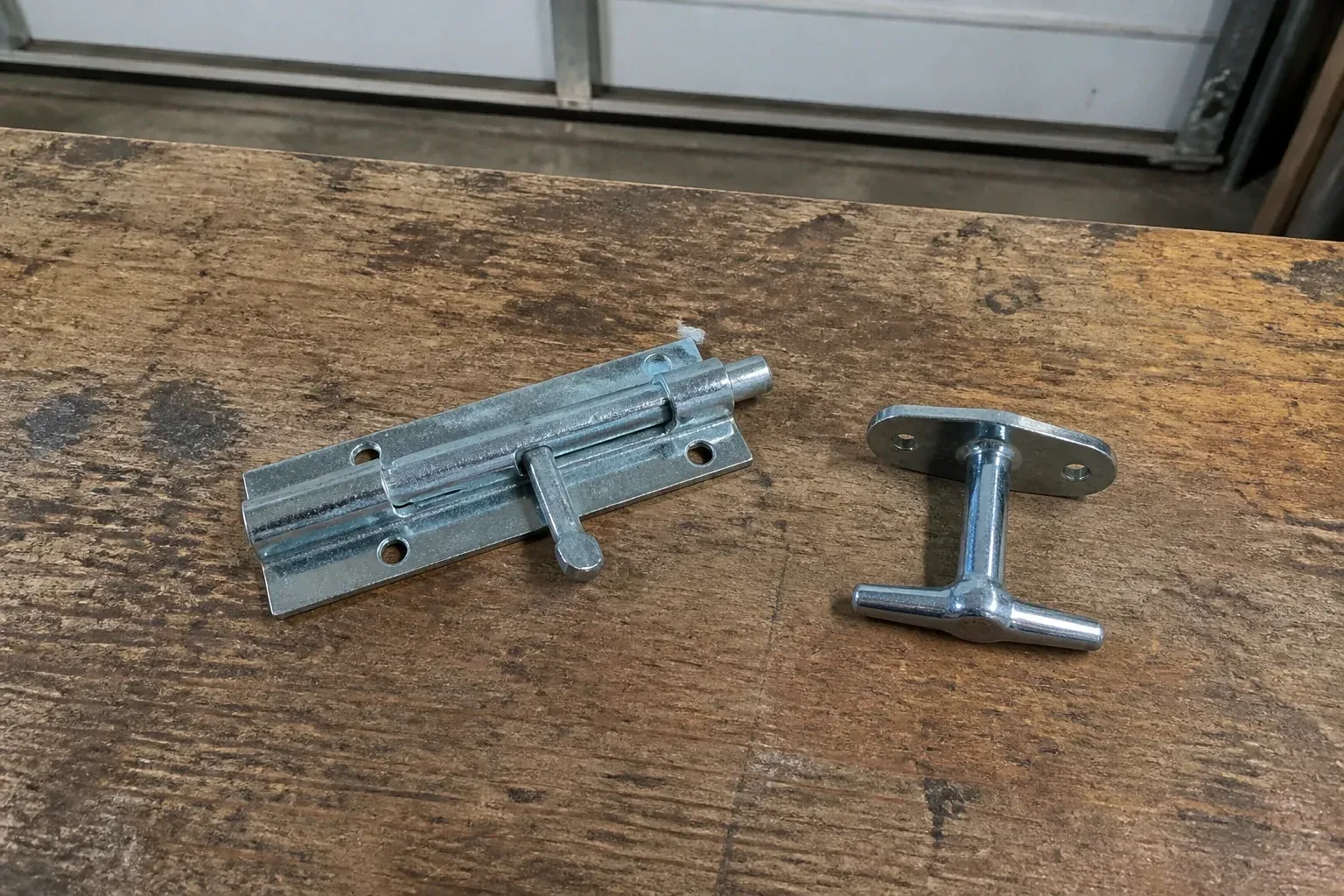
The power is out in a storm, you pulled the red cord and lowered the door by hand, and now you want to lock it. The slide bolt on the inside edge is welded in place by years of rust and refuses to budge.
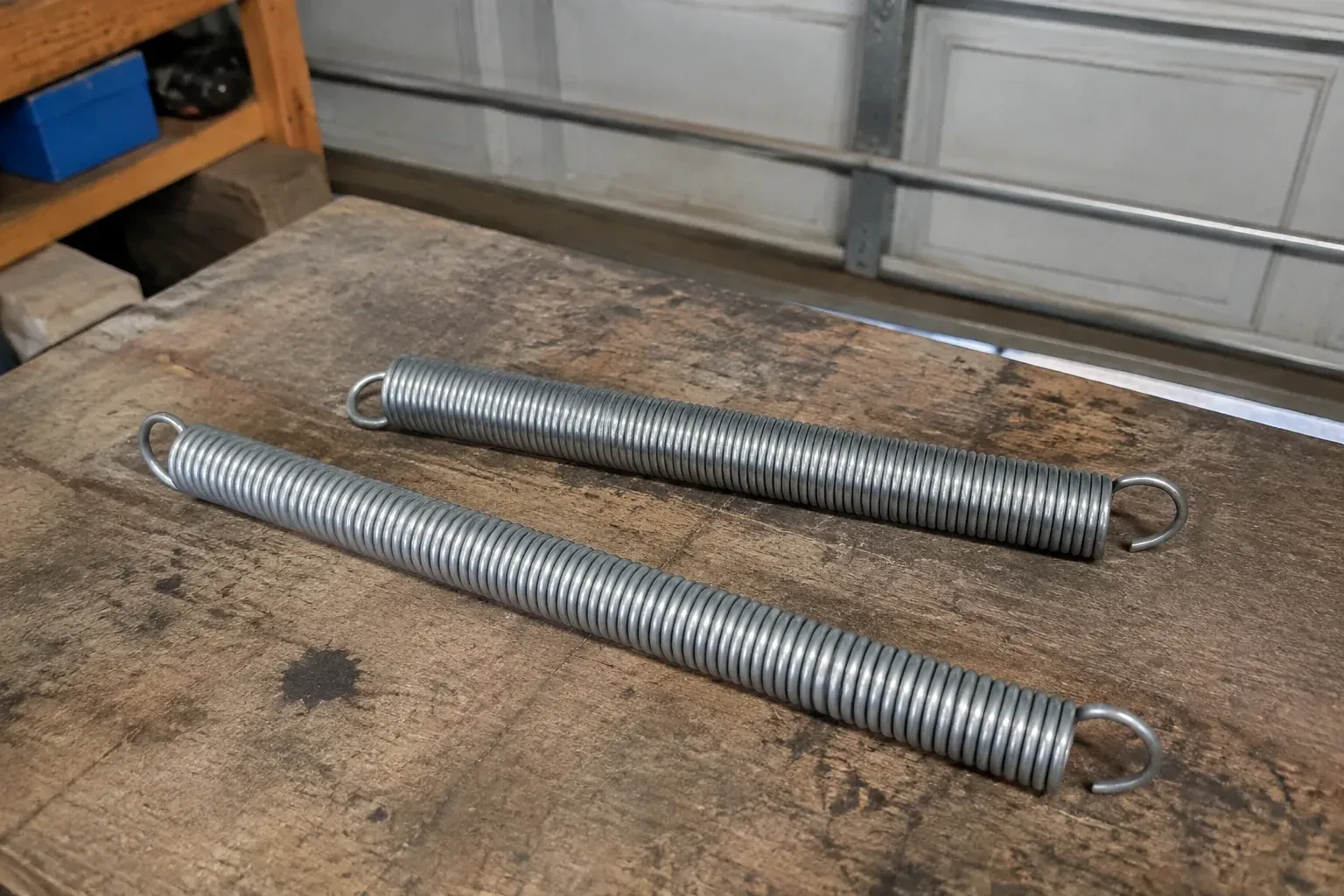
The home inspector's report on the house you are buying flags the garage door: extension springs with no safety cable running through them, coils showing rust, and a door that sank when he lifted it partway. The seller has never had it looked at.
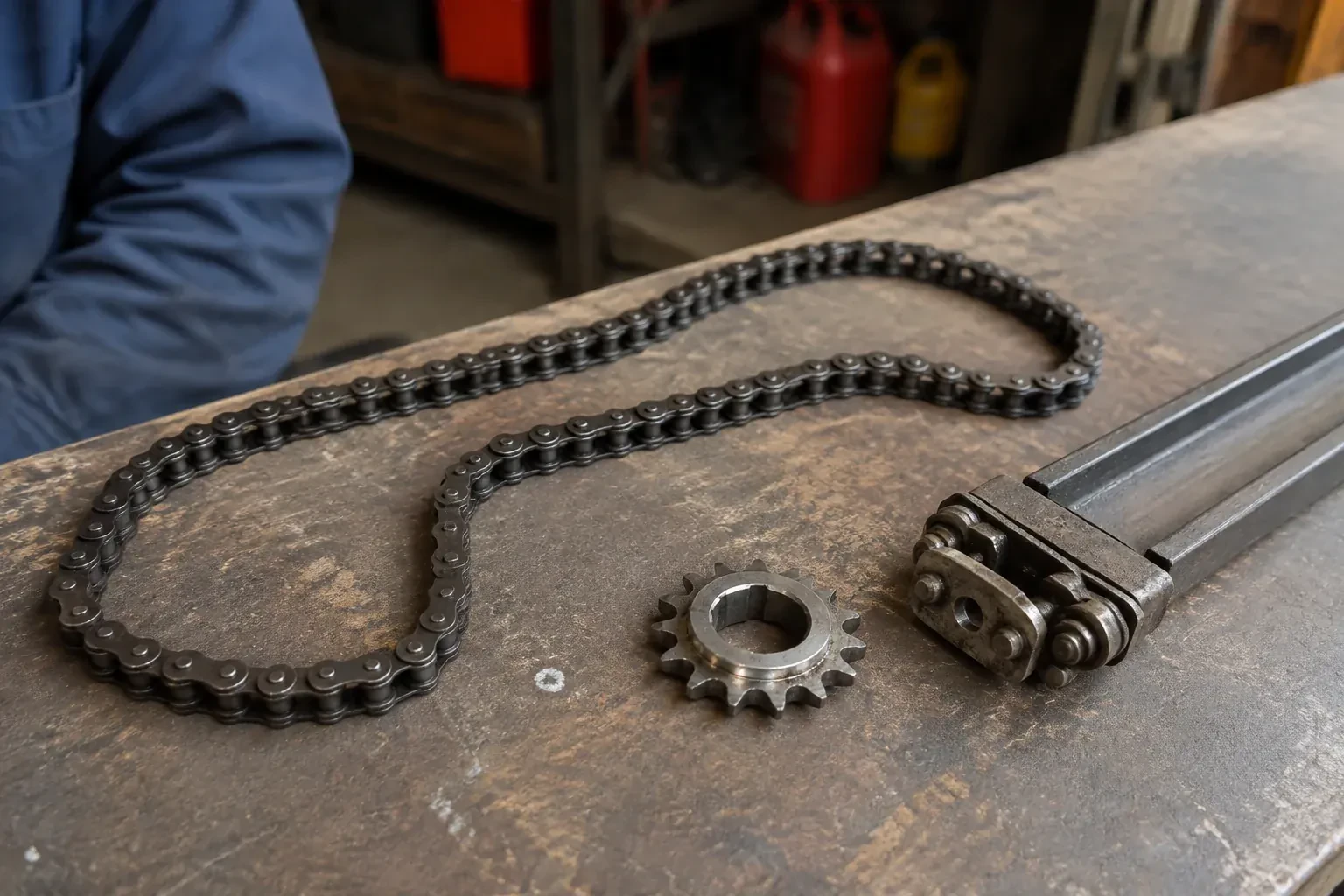
The chain in the detached garage went orange with rust over the winter, the links are stiff, and the opener strains and groans to pull the door up. By afternoon, once the garage warms, it behaves almost normally.
It is minus twenty in the detached garage and the door climbs in jerks, the belt stiff as a board. By the afternoon, when the sun has been on the door, it runs almost normally again.
Someone in the family tried to add a remote, held the button on the ceiling unit a little too long, and now every remote in the house is dead at once. The wall control still moves the door. The remotes act as if they were never programmed.
Halfway up, the door lets go of the opener with a clunk and sinks back to the floor while the trolley carries on to the top alone. It has happened three times this month, and each time the release lever is found half-cocked.
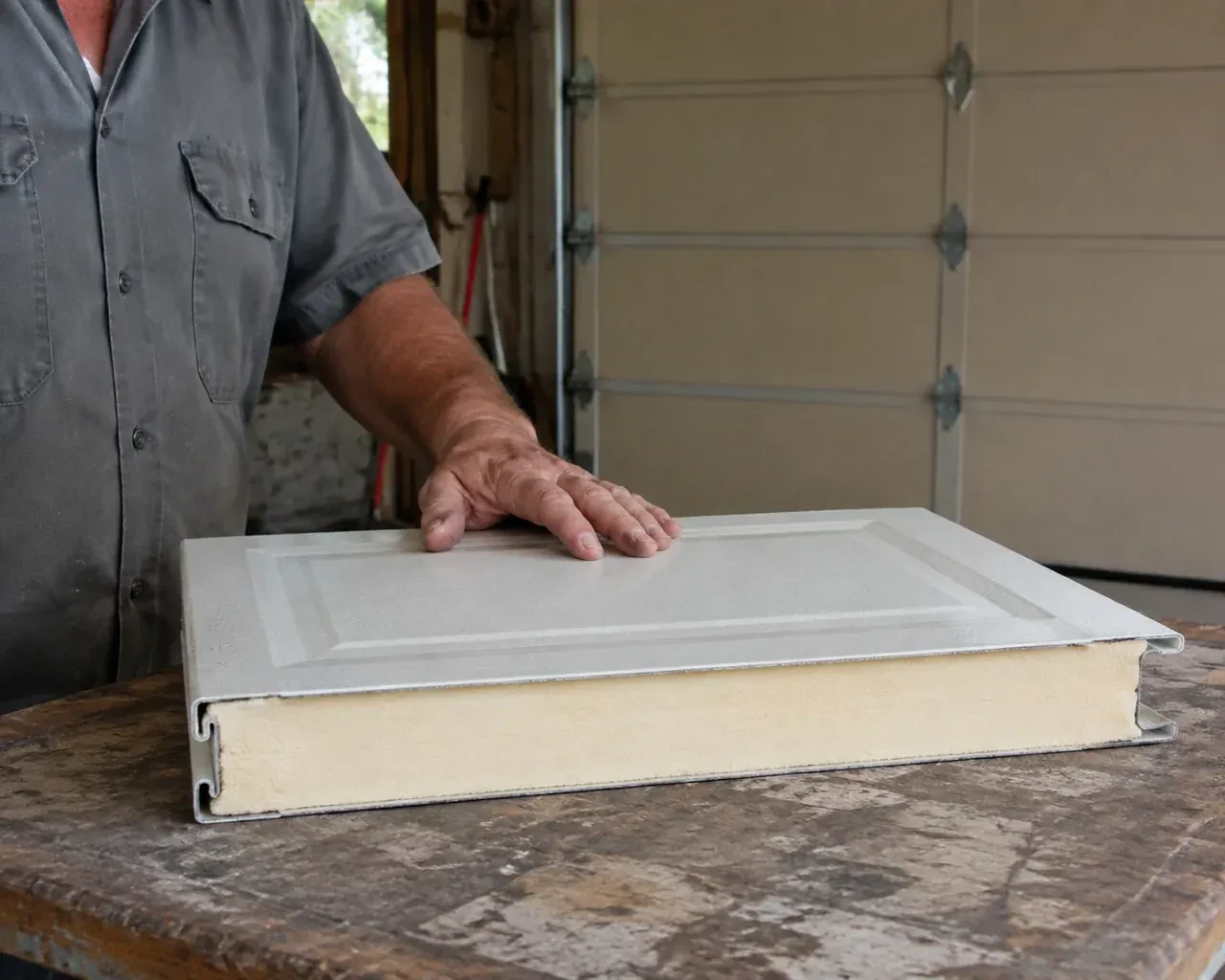
A refreshed exterior has made the faded garage door stand out. You are looking for steel sections, a panel pattern and colour that suit the house while adding practical insulation and smoother everyday operation.
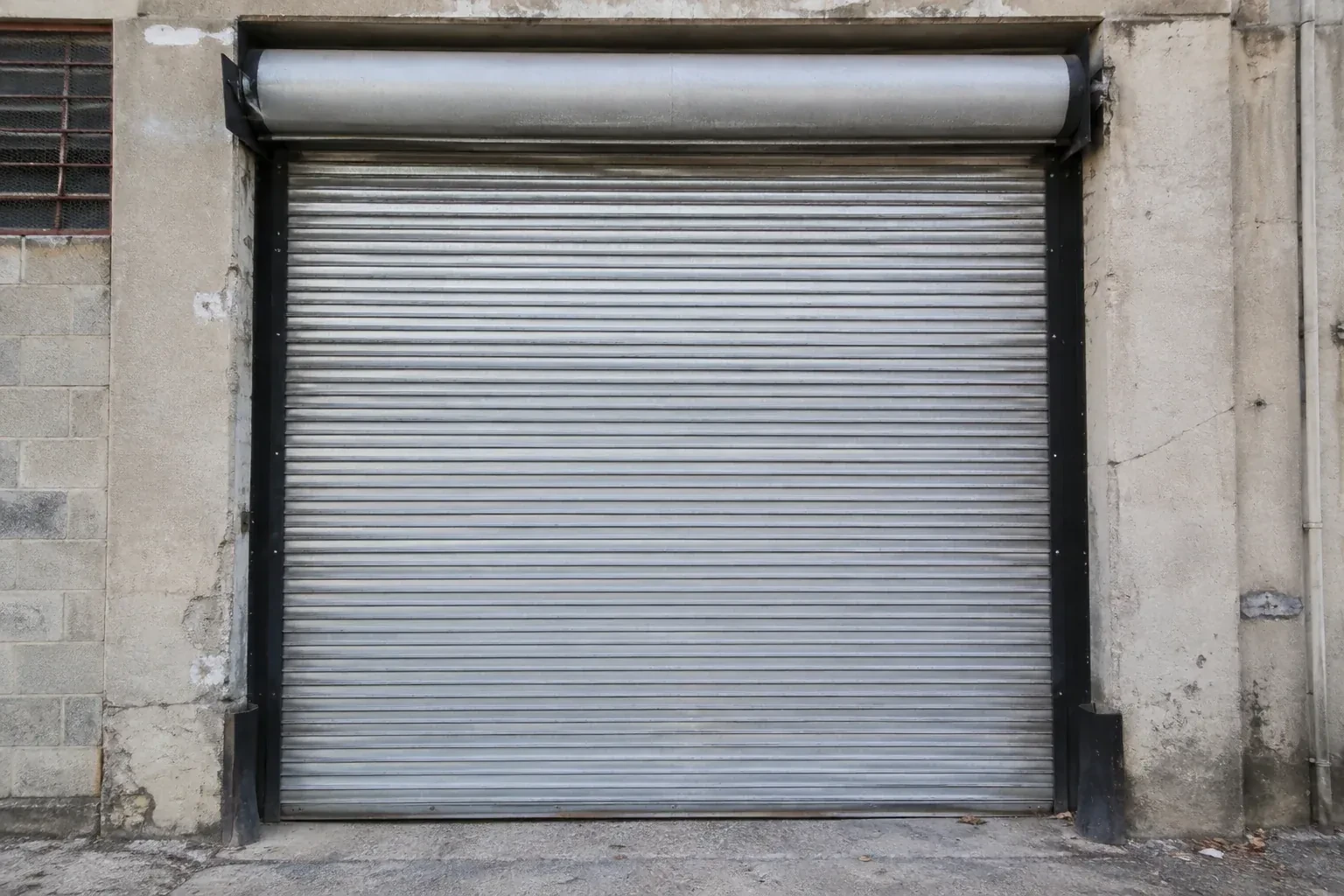
The labelled rolling fire door still moves from its control, yet the release assembly and closing path were disturbed during nearby work. The facility needs the repair and return-to-service record handled as a fire-door scope.
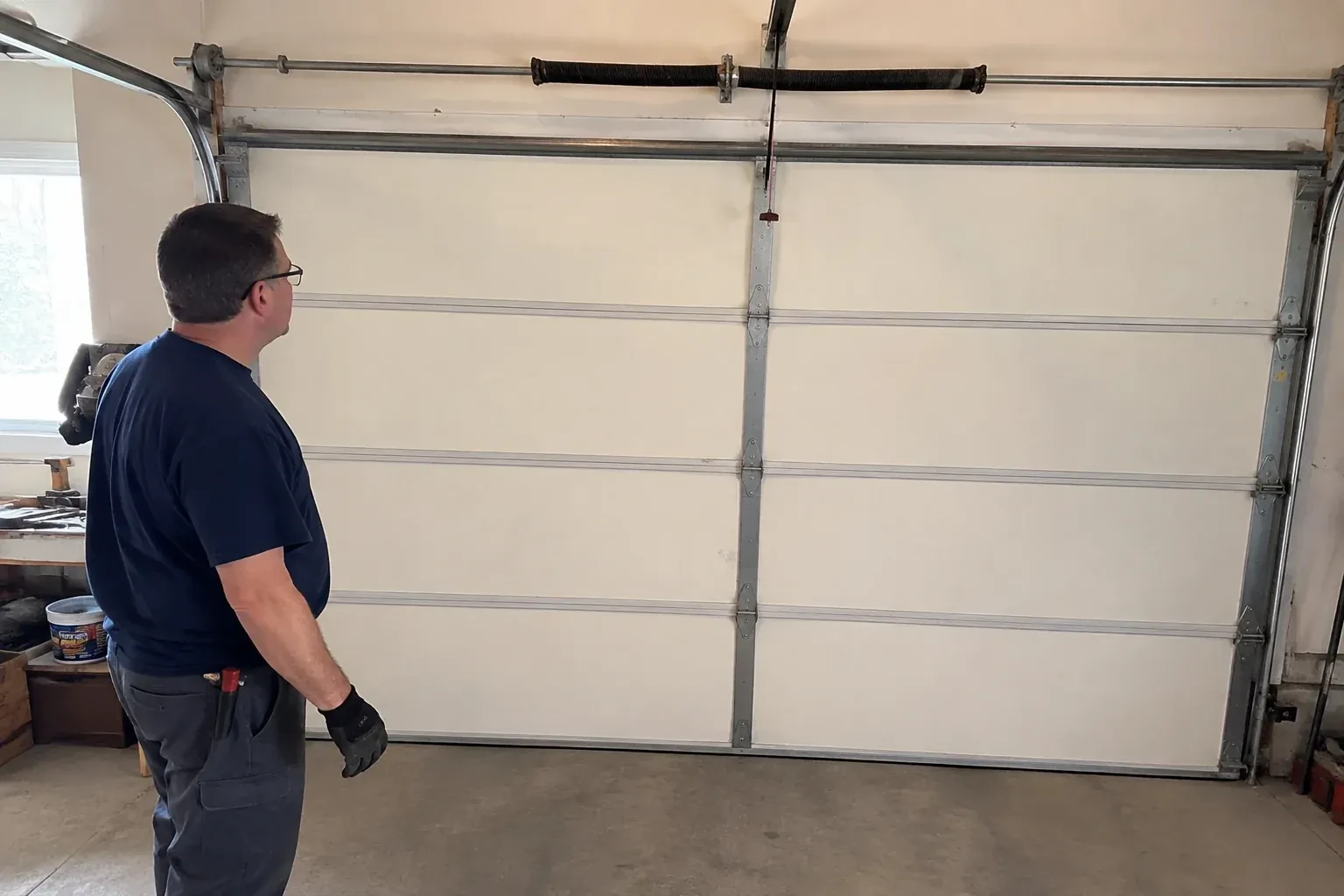
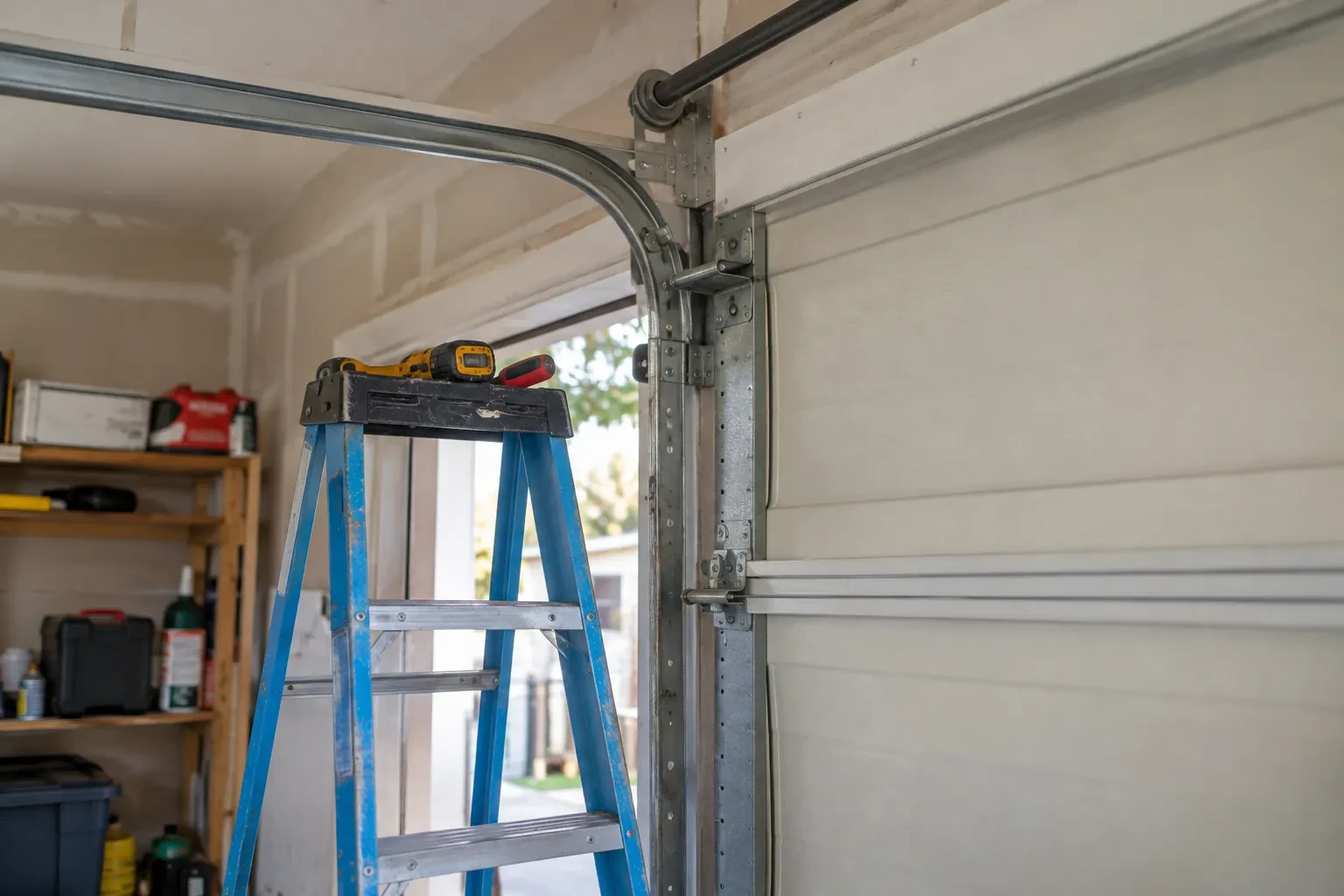
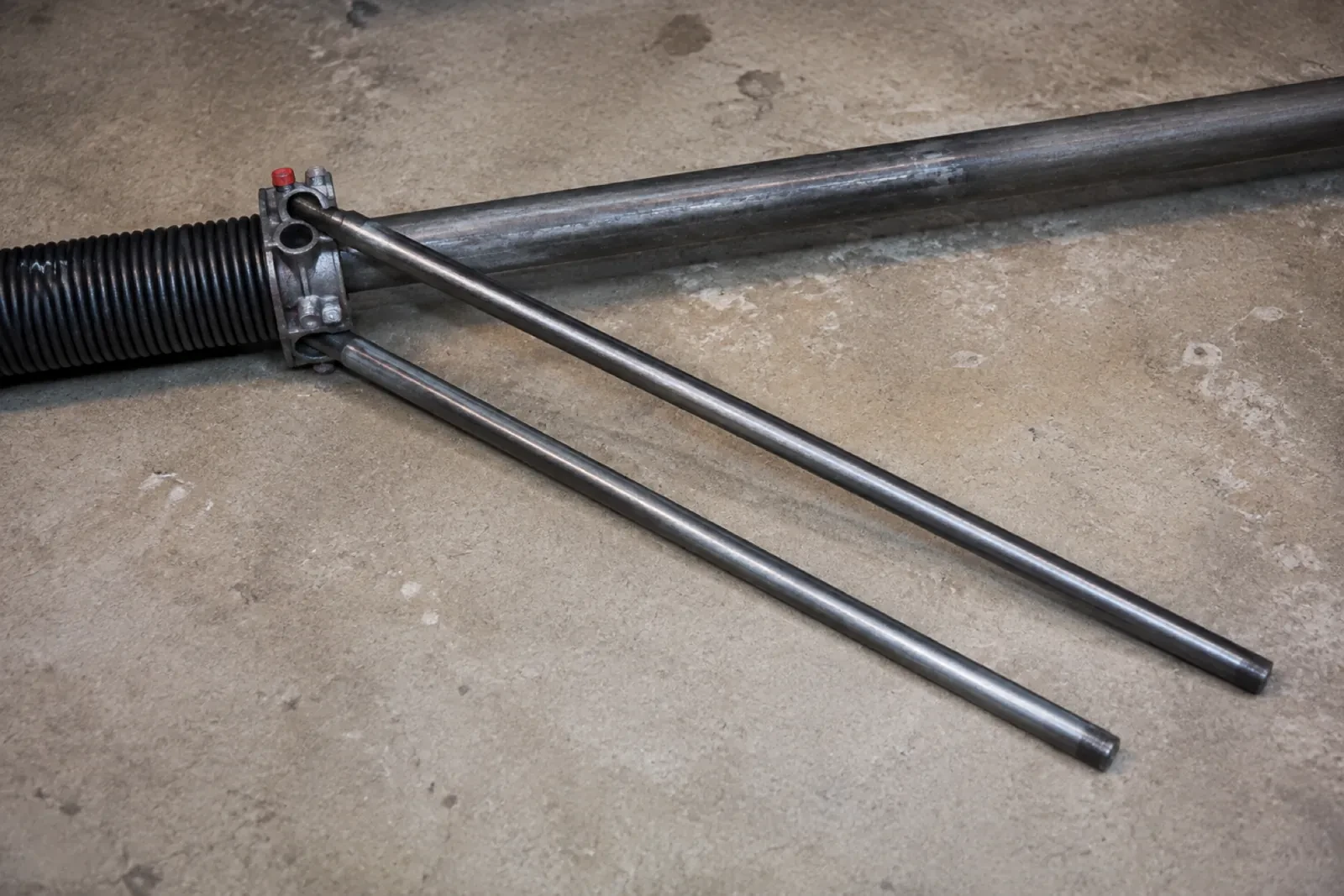
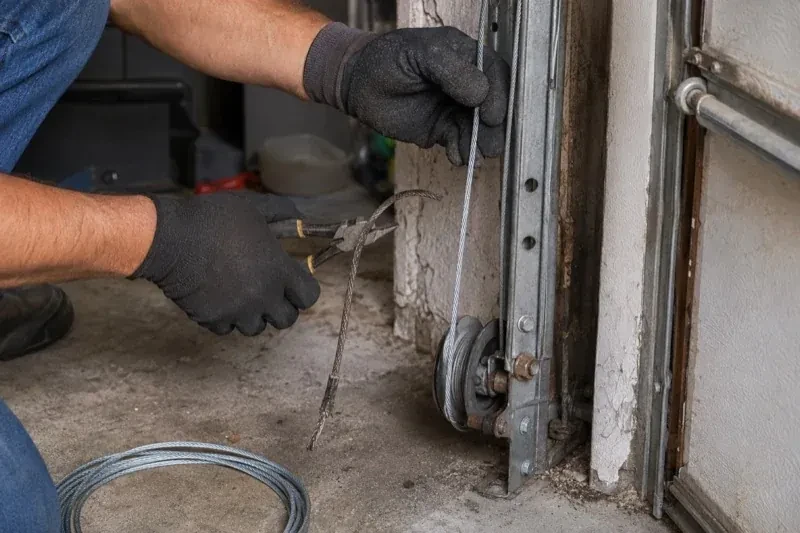
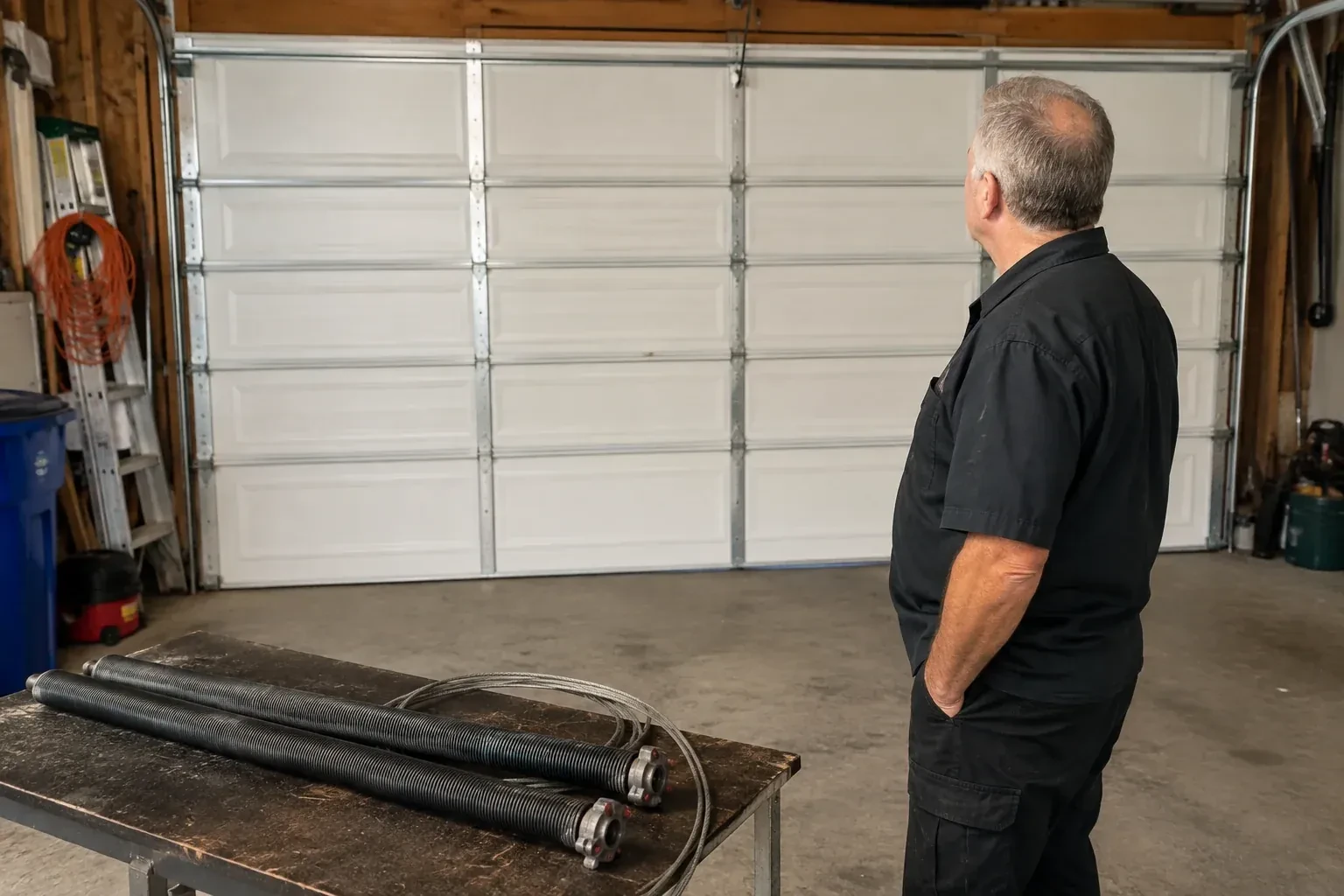
The counterbalance system is the part of the door people never see and rely on completely. Springs, cables, drums, bearings and brackets share one load, and this group covers keeping that load carried safely.
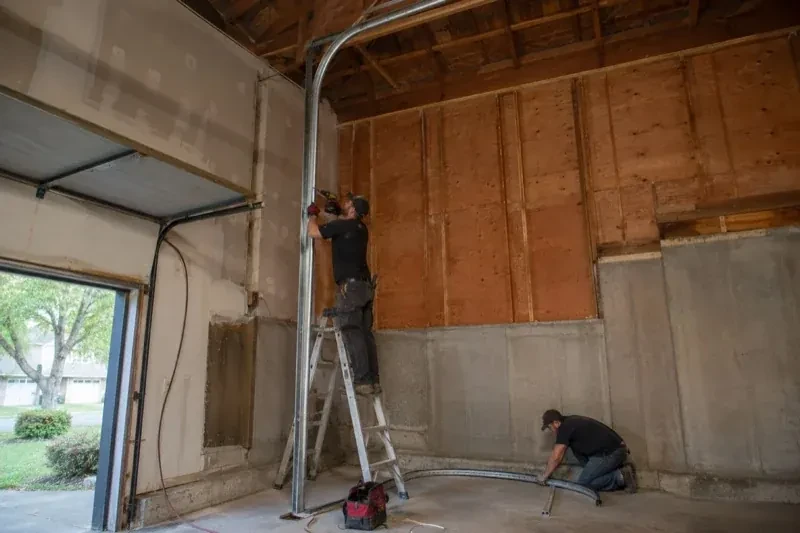
Replacing a door is a chance to fix everything at once: insulation that keeps the garage warmer, panels that suit the house, a quieter opener and fresh tracks and springs sized to the new weight. This group covers the whole job.
WhyMany lock complaints turn out to be door complaints.
The home inspector's report on the house you are buying flags the garage door: extension springs with no safety cable running through them, coils showing rust, and a door that sank when he lifted it partway.
Why does my door reverse on the way down for no reason?
Most often it is the photo eyes. A sensor knocked slightly out of line, a lens with a film of road grime, a loose wire, or low afternoon sun shining straight into one eye will each break the beam as far as the opener is concerned. The next candidates are a down-force setting that has drifted, a binding roller or a door that has gone out of balance. The inspection checks each in turn.
Does new weatherstrip make the door any quieter when it opens and closes?
A little, though it is not the main reason to do it. A fresh bottom seal cushions the door's contact with the floor, and snug side and top seals stop the panel rattling against loose or worn stops. Most of the noise people notice from a garage door comes from rollers, hinges and the opener chain or belt rather than the seals, so a technician checking the weatherstrip will usually point out those parts too if they are the louder culprit.
The handle turns but the bars stay put. What has broken?
Something in the short chain between the handle and the bars. The square spindle may have twisted or sheared, the set screw holding the inside knob may have let it spin free, the cam inside the centre body may have worn round, or the return spring may have snapped. The inside cover comes off to see which, and the failed part or the whole mechanism is replaced to suit.
Only one spring broke. Why replace both?
The two springs are the same age and have stretched the same number of times, so the one still hanging is close behind. There is also a balance reason: a door lifts level only when both sides pull equally, and a new spring beside a worn one lifts its corner first and twists the door. Fitting a matched pair sets both sides the same and avoids a second visit a few months on.
Can you turn the force up so the door closes on cold mornings?
Force is set to the lightest level that moves the door reliably, and it is raised only a little for a cold garage. Turning it up further to overcome a heavy door or a seal frozen to the slab is not done, because too much force interferes with the safety reversal and can bend the top section. If the door is hard to move in the cold, the springs, rollers or the frozen seal are dealt with instead.
Should the belt be lubricated?
No. The belt is meant to run clean and dry; oils and sprays soften the rubber and gather grit in the teeth, which wears the sprocket. Lubricant belongs on the door instead: hinges, rollers and springs get a garage-door lubricant once a year. The gear inside the motor head takes a light grease when it is serviced, and that is the technician's job.
What is the learn button and where is it?
It is a small button on the head unit, usually under the light cover on the same side as the antenna wire, sometimes on the back. Pressed briefly, it opens a window in which a remote or keypad can be added. Erasing every stored control follows that model's own sequence, which on some current openers needs more than one button. Some wall-mounted controls carry a second learn button that works the same way, and a connected app or account is managed on its own.
What exactly is the emergency release on a garage door opener?
It is the manual disconnect between the opener and the door: a red handle on a cord below the rail, connected to a lever on the trolley. Pull it and the trolley lets go of the door so you can move the door by hand, for instance during a power outage. Push the lever back, or run the opener, and the two reconnect. It is required on residential openers, coloured red so it stands out from everything else overhead.
Will an insulated door make the garage quieter?
Insulated, steel-backed sections are often more rigid and can sound less hollow than a thin single-skin door. Overall noise also comes from rollers, hinges, track alignment, counterbalance, the operator and vibration transferred into framing. Installation addresses those connected parts through alignment, fastening, balance and appropriate lubrication, giving the new assembly a sound mechanical foundation.
What gets tested before the door returns to use?
Testing follows the repaired system and can include full travel, curtain tracking, bottom-bar level, open and closed limits, manual effort, brake action, controls, locks, interlocks and protective-device response. Several controlled cycles help reveal repeated contact or noise. The completed record names the checks performed instead of relying on a general statement that the door operates.
Request a visit
What people in Stouffville can expect from us: a technician who arrives when he said he would, looks at the door properly, explains the cause, gives a price on site before starting, does the work carefully with the door secured, tests it through full cycles, and leaves the garage as tidy as he found it.