New Doors · Stouffville
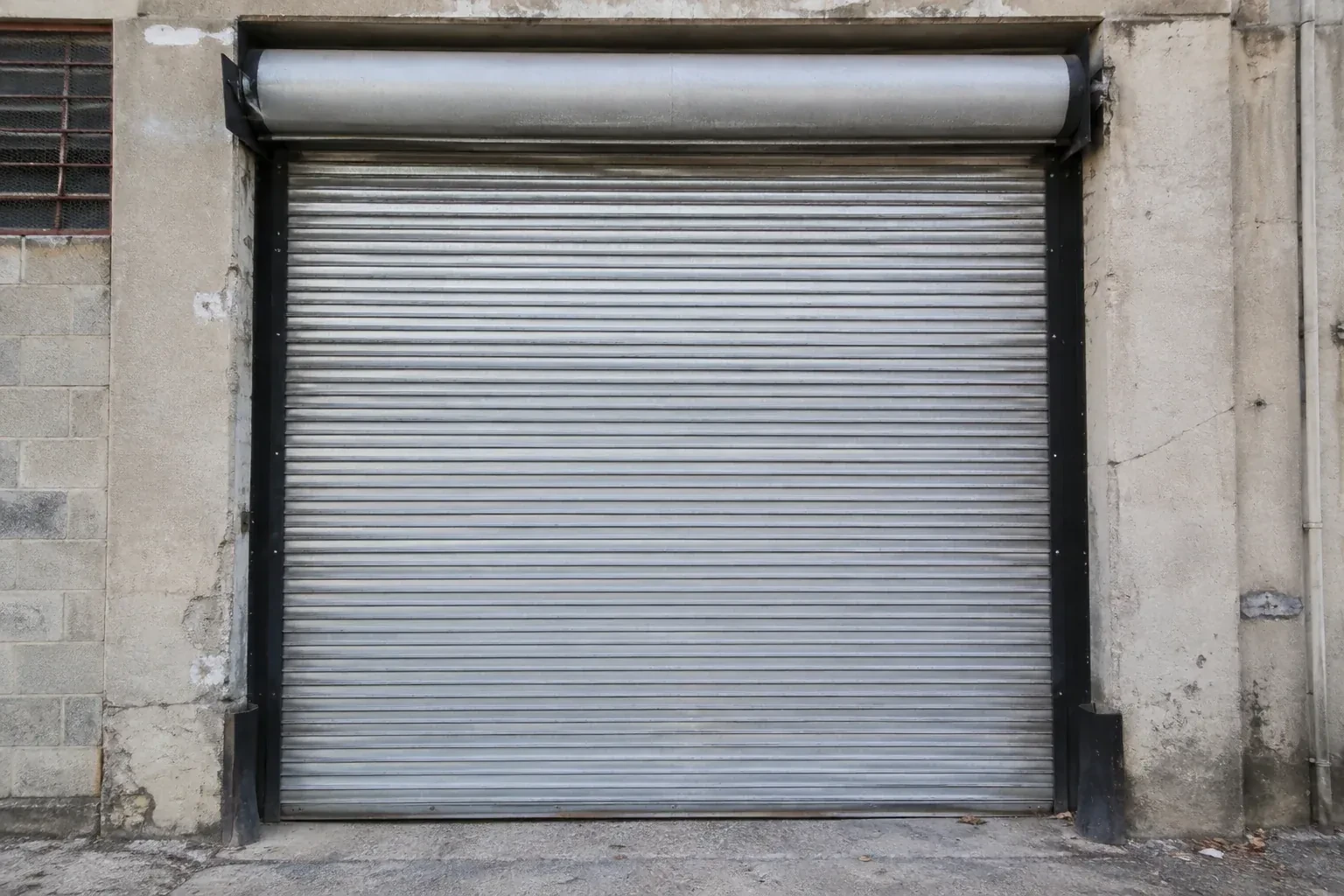
Commercial Rolling Door Repair in Stouffville
The hand chain takes far more effort than it did last month.
In plain words
Commercial rolling door repair treats the opening as one connected machine rather than a loose collection of parts. A coiling curtain travels inside guides, wraps around a barrel and is assisted by a spring counterbalance; a hand chain or powered operator supplies movement. The technician identifies that system, controls the work area, secures the curtain and checks how each part affects the others. Bent slats, shifted guides, worn drive parts, balance problems or control faults are corrected within an agreed scope. Controlled cycles then confirm straight travel, proper limits, usable controls and a clear closing path.
How the visit goesThe labelled rolling fire door still moves from its control, yet the release assembly and closing path were disturbed during nearby work. The facility needs the repair and return-to-service record handled as a fire-door scope.
Commercial Rolling Door Repair
How the visit goes
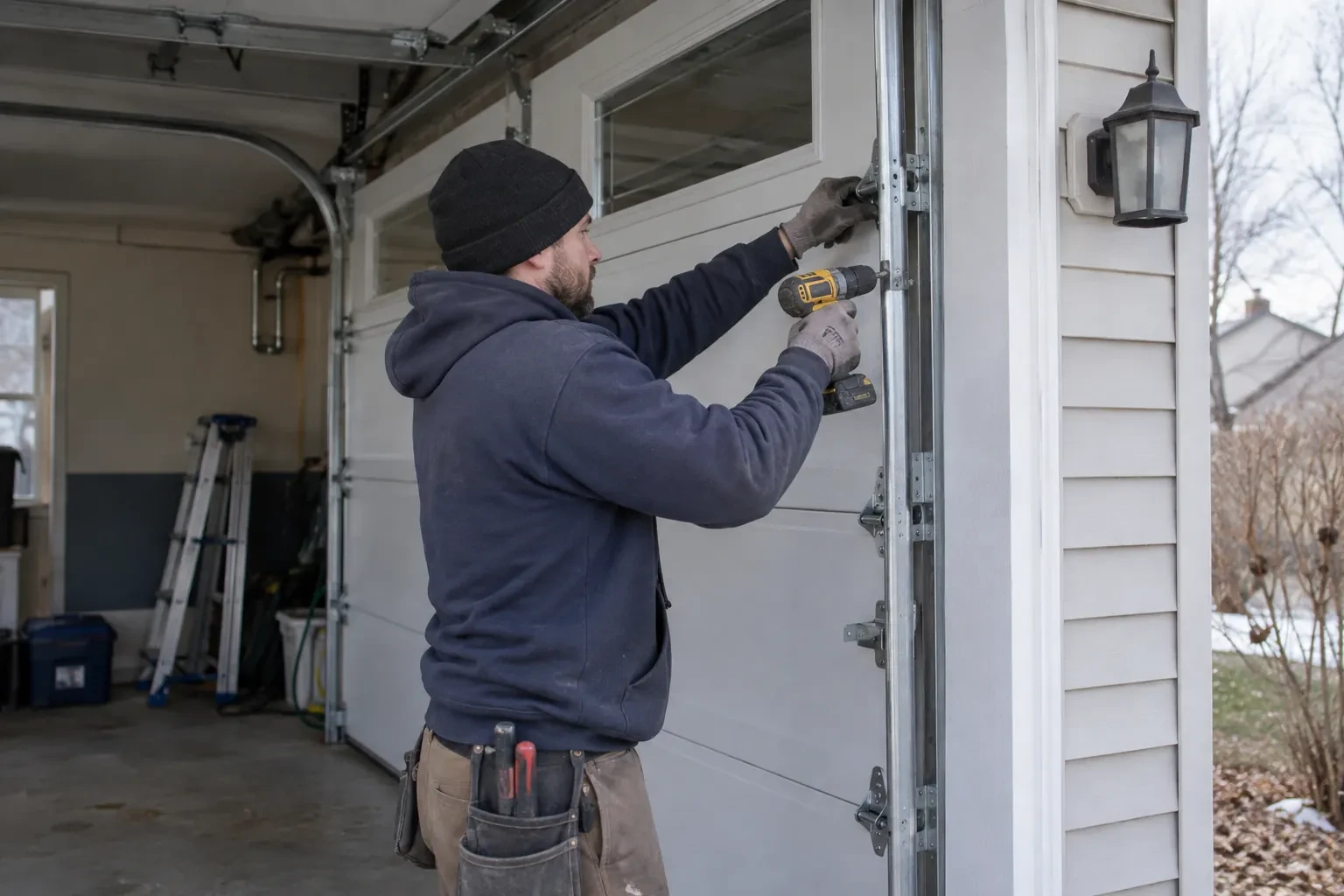
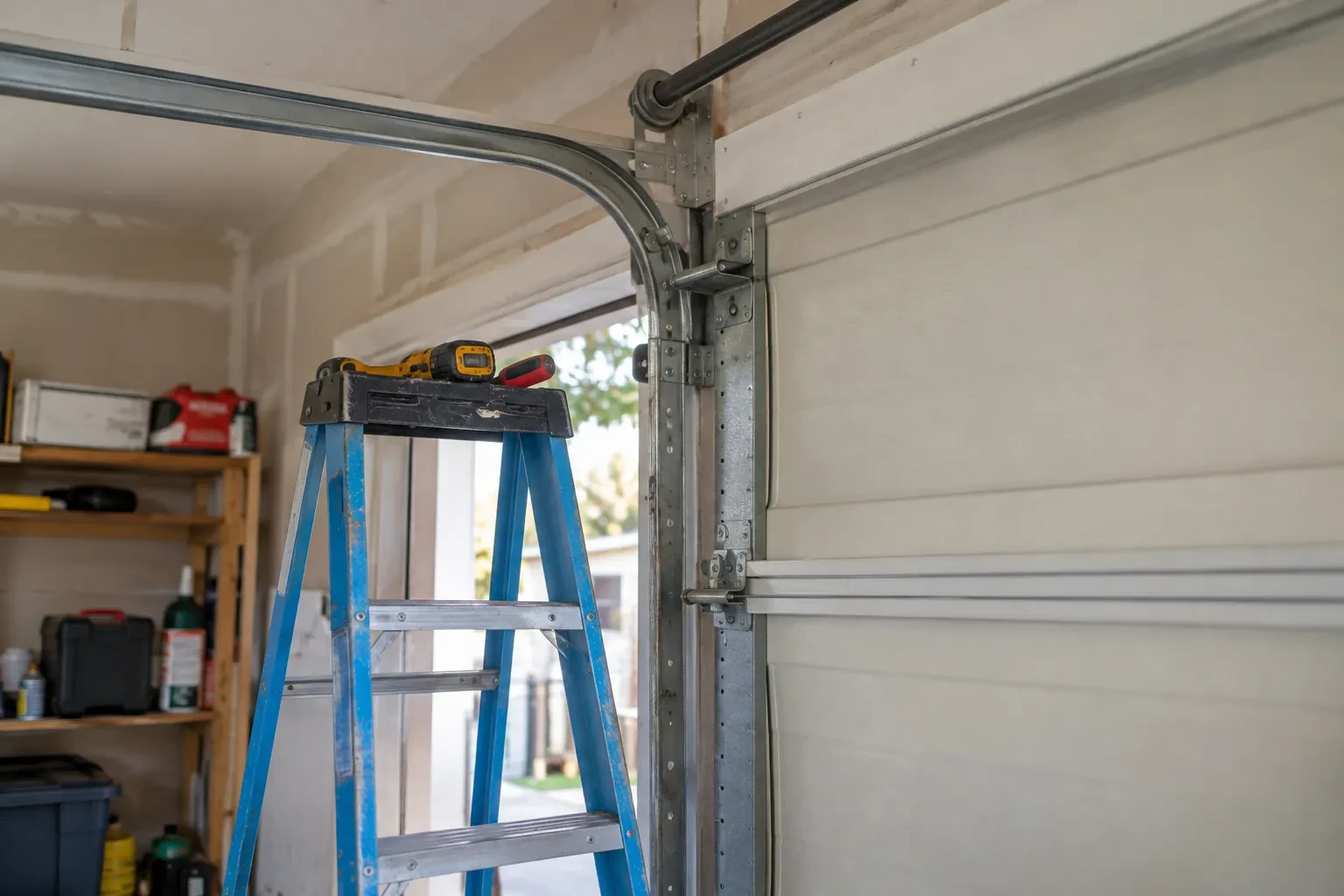
Assess barrel support and counterbalance
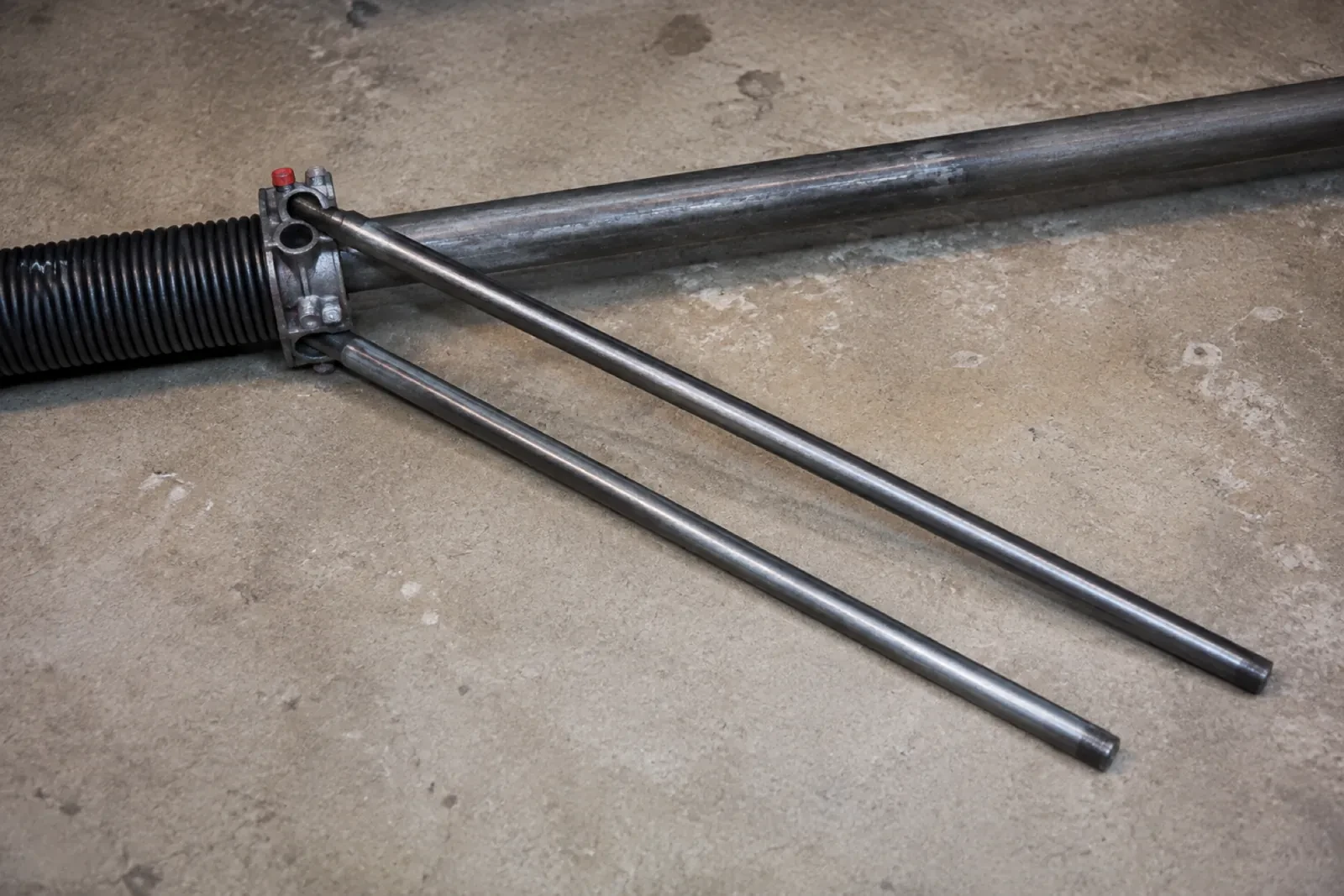
Above the opening, the barrel, headplate brackets, bearings and counterbalance carry the curtain and shape its operating effort. The technician looks for bracket movement, worn-bearing sounds, loose drive connections and signs that the curtain has walked sideways. Balance is evaluated only after the door is secured and the operating method is understood. A door that rises by itself, drops from a set position or feels heavy through part of its travel may need mechanical correction, while a consistent rough spot may trace to a bearing or distorted coil. This check keeps the operator from masking a mechanical load problem.
Repair the operator and manual drive
Operator work begins after the curtain moves correctly without being dragged through a bind. The technician services the authorised brake, drive, limit or control components, sets chain alignment and tension where applicable, and confirms the emergency hoist or disconnect follows its intended sequence. A worn hand-chain wheel, keeper or reduction component is corrected so manual operation remains controlled. Electrical supply or building wiring concerns are recorded for the responsible trade instead of hidden inside a mechanical adjustment. The operator is then coupled to a balanced door and its open and closed stopping points are established from the actual travel.
A square close and usable lock
The closed door meets the sill evenly, which lets the bottom seal, slide bolts and keepers do their jobs without staff pulling the curtain sideways. Locks are demonstrated only after alignment and limits have been settled, and any operator interlock is included in that demonstration. The person responsible for closing can see the sequence: bring the door fully down, confirm contact across the threshold and engage the intended hardware. Keeping the sill clear of pallet wrap, ice and loose debris helps preserve that result, while a lock that begins missing its keeper becomes an early alignment clue rather than a nightly struggle.
Commercial Rolling Door Repair
In the van
Photoelectric sensors
Hand-chain hoist components
Guides and bellmouths
Curtain slats and endlocks
Sensing edge and controls
Commercial Rolling Door Repair
What affects the quote
Manual drive components
Direct push-up operation, a hand-chain hoist or another manual drive has its own chain, wheel, reduction and keeper parts. Wear and accessibility determine the tasks included.
Access above the opening
Ceiling height, hood location, stored goods, mezzanines and nearby services affect safe reach to brackets, barrel and operator. Lifts, platforms and material-handling arrangements are planned accordingly.
Fire-protection label status
A labelled fire door needs assembly-specific component decisions, closing-path care and defined inspection or test records. Release-system and alarm-interface tasks remain visible as specialised line items.
What to have ready
- What happens when staff use the normal control?
- Was there a recent vehicle, pallet or forklift impact?
- Does the curtain carry a visible fire-protection label?
Commercial Rolling Door Repair: questions
QuestionsHow should we prepare the loading area?
Move vehicles, pallets and loose packaging away from both faces of the opening, and identify an alternate route for staff and deliveries. Provide access to the control station, disconnect and any door records. A facility contact who understands normal operation and can authorise testing makes it easier to reproduce the complaint under controlled conditions.
What gets tested before the door returns to use?
Testing follows the repaired system and can include full travel, curtain tracking, bottom-bar level, open and closed limits, manual effort, brake action, controls, locks, interlocks and protective-device response. Several controlled cycles help reveal repeated contact or noise. The completed record names the checks performed instead of relying on a general statement that the door operates.
How often should a commercial rolling door be inspected?
Follow the door and operator manufacturers' intervals, adjusted for cycle count, exposure, impacts and facility conditions. Industry guidance supports periodic technician inspection at least annually for rolling doors, while a labelled fire door also follows the applicable fire-safety inspection and testing requirements. Visible facility checks between visits help identify changes early.
Related services
- Insulated Steel Garage Door InstallationYou want windows for natural light without turning the garage into a cold glass wall.
- Wind-Rated Garage Door ReplacementThe current double door shudders when pressure changes outside, and daylight appears briefly along one edge.
- Carriage-House Garage Door InstallationTraditional swing-out coach doors have the look you like, but the driveway needs to remain clear as the door opens.